In brief
As Syria undergoes a dramatic shift in power dynamics with rebels claiming victory, the remnants of a fallen regime are evident on the roads to Damascus, revealing both celebration and uncertainty among the population.
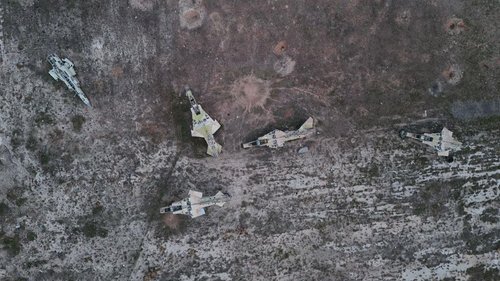
In a groundbreaking update from Syria, reporters have uncovered the stark remains of former President Bashar al-Assad's authoritarian regime following a rapid offensive by rebel forces. Entering Damascus through the chaotic highway from Lebanon, the journalists from The New York Times noted significant remnants of the Assad government, littering the landscape in stark contrast to the celebrations of the rebels.The journalists arrived in Damascus on Monday, just hours after rebels penetrated the capital. The highway is now a scene of desolation, adorned with abandoned Syrian military tanks and remnants of once-fearsome authority. Billboards featuring Assad's image are mostly destroyed, with only a few posters left hanging on their frames. The previously bustling checkpoints, notorious for their exhaustive interrogations, now lie deserted with security forces absent.A disturbing sight accompanied the remnants of authority; a man in military attire was found lifeless beside an abandoned vehicle just a few miles from the border. Rebel forces, in a display of their triumph, sped down the highway utilizing military vehicles equipped with heavy weaponry that belonged to the Assad regime. This scene reflects both the excitement of newfound freedom and fears of a potential descent into lawlessness, as arson marks and vandalism decorate roadside establishments.The ongoing uncertainty has brought a mixed mood to the celebrations. Evidence of looting was visible at a duty-free store; shattered windows and disarray inside tell a story of lawlessness that could overshadow the recent victories. Abandoned vehicles bore the scars of chaos, with broken glass and open doors hinting at the frantic pace of change sweeping over Syria.This moment marks a pivotal shift for Syria, leaving many to wonder what the future holds in the wake of despotism's collapse and the emergence of new, albeit uncertain, paths forward.