In brief
The European Union has prohibited the trade of Sudanese gold, citing its role as a major financing source for the conflict between the army and the Rapid Support Forces. The ban also extends to mercury and cyanide used in gold mining. Analysts warn that sanctions alone will not stop the illicit gold flow, which may require tighter controls by global trade hubs. With more than 14 million displaced, the decision marks a significant step in limiting war profiteering.
The European Union (EU) has issued a ban on the purchase, import and transfer of gold from Sudan, after noting that the commodity has become a key source of revenue for the warring parties. This decision follows the outbreak of a civil war between Sudan’s army and the paramilitary Rapid Support Forces (RSF) in April 2023.
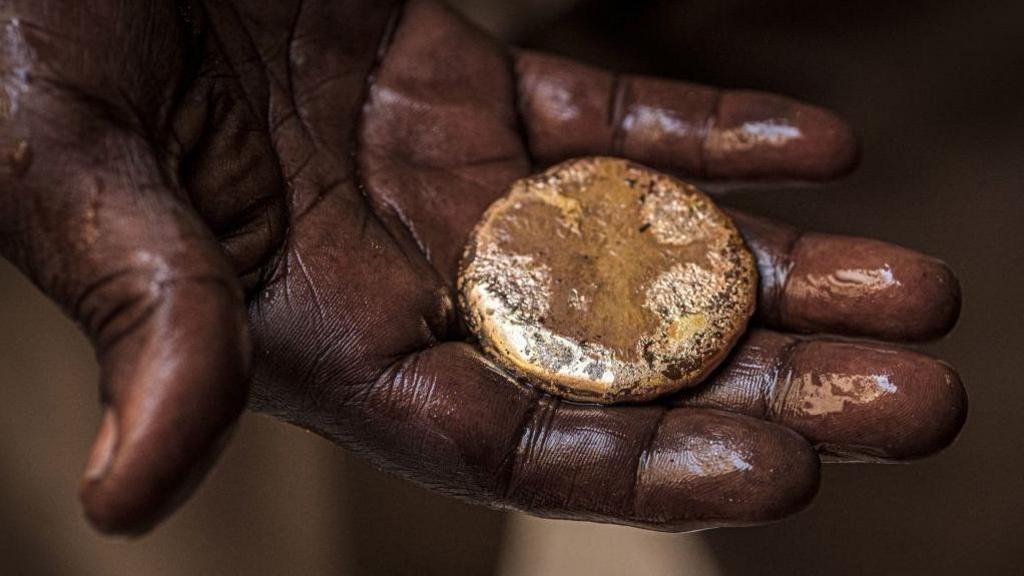
Sudan is one of Africa’s largest gold producers, and the gold mined across its borders now fuels the conflict. Rights groups point out that over half – in some estimates up to 70% – of Sudan’s gold is smuggled out annually, with the RSF controlling most fields in Darfur and Kordofan while the army dominates northern and eastern regions.
The gold is trafficked through neighbouring countries – Egypt, Chad and Libya – before reaching Dubai, a global hub for gold refining and trade. EU officials say the ban is designed to reduce resources available to those financing the violence.
The sanctions package also includes a ban on exporting mercury and cyanide to Sudan, chemicals typically used in gold mining but necessary for humanitarian and public‑health purposes. EU individuals and companies are now forbidden from purchasing, importing or transporting Sudanese gold.
Experts warn that sanctions alone may not halt the trade without enforcement by major gold trading hubs and regional transit points. The EU’s action is part of a broader sanctions regime targeting individuals and entities that support the conflict.
Amid the humanitarian crisis, with more than 28 million people facing acute hunger, international pressure is increasing on the conflict’s backers to disengage and cut the financial lifeline that gold mining provides.