In brief
Three-year-old Julia Abu Warda, captured in a striking photo of detained men during the ongoing conflict in Gaza, finds herself alive but deeply affected by the horrors she has witnessed. As her family recounts their harrowing experiences, Julia's tale becomes a poignant reminder of the war's impact on children.
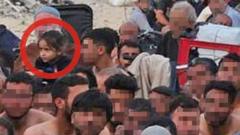
The little girl hidden among a group of Gazan men, detained under distressing conditions by Israeli forces, has captivated the attention of many. In a recently circulated photograph, Julia Abu Warda, just three years old, can barely be seen toward the back, looking away as soldiers command the men to strip down to their underwear. While the men appear worn and desperate, Julia's expression raises critical questions about her wellbeing and whereabouts in the tumultuous landscape of Gaza.Published first on a Telegram account of a reporter with links to the Israel Defense Forces, the image encapsulates profound suffering during this conflict. The military is seen checking the detainees for threats as crumbling buildings loom in the background. Within this context, the image of the young girl adds a sobering layer, compelling observers to seek the child's fate.Working closely with BBC Arabic’s Gaza Today programme, journalists quickly began their investigation to locate Julia. Given the Israeli government's constraints on independent foreign media reporting in Gaza, the search relied on a network of local sources. In an impressive feat, they were able to pinpoint her location within 48 hours, relaying the message, “We have found her!”Julia was located in Gaza City, safe and with family. Her father, Mohammed, and her grandfather were by her side as she watched a cartoon, a brief respite from the chaos that unfolded around them. Her appearance seemed normal – dressed in a jumper and jeans with bright blue hairbands – yet wariness lingered in her expression. But this peace belied an unsettling story, revealed by Mohammed.In the past three weeks alone, the family had been forced to flee five times, escaping the onslaught of air strikes. The day the photograph was taken, the family was caught amidst warnings from an Israeli drone and the violence in Jabalia refugee camp. In the frantic attempt to escape, Mohammed and Julia were separated from her mother and other relatives.As they navigated through the devastation of their neighborhood, the horror of war became unavoidable. They arrived at an Israeli checkpoint, where soldiers subjected them to a humiliating search while chaos ensued around them. While the photo appeared to show a calm Julia, her father's recounting revealed her innate fear and confusion, evidenced by her cries for her mother following the experience.The family's turbulent journey was made even more tragic when they reflected on the loss of a beloved cousin, Yahya, just two weeks prior. Killed in an Israeli drone strike, the trauma has left a permanent mark on young Julia, who now associates the sound of planes with danger and loss.According to UNICEF, the impact on children in this ongoing conflict is staggering, with reports indicating that 14,000 children have been killed so far, leaving nearly one million needing mental health support. Julia's experience exemplifies this grim reality – while she may have been found, the question remains: what psychological scars will this little girl carry into her future?As the world watches and reflects on the carnage in Gaza, Julia’s story underscores the individual tragedies behind the headlines, bringing humanity to a conflict that has plunged countless families into despair. Her fortune lies in the love and protection of her family as they navigate a world forever changed by violence and loss.