In brief
In a five‑day conference held in Switzerland, the Democratic Republic of Congo and the Rwanda‑backed M23 rebel group agreed on a structured plan for peace talks under the 2025 Doha Framework. A ceasefire monitoring mechanism was established, with a verification mission set to launch in Minembwe, South Kivu. Despite this progress, disagreements linger over sanctions, detainee releases, and the pace of reforms. The conference drew participants from Qatar, the U.S., Togo, the African Union Commission, and Switzerland, highlighting the international stake in ending years of violence. With the eastern provinces rich in coltan, the conflict’s economic dimensions underscore the urgency of a lasting settlement.
The Democratic Republic of Congo government and the Rwanda‑backed M23 rebel group have agreed a roadmap for peace talks, promising a structured approach under the 2025 Doha Framework. The joint statement, issued after five days of sessions in Switzerland, pledged to pursue negotiations toward comprehensive peace and conflict resolution while setting up a mechanism to monitor the ceasefire.
The roadmap outlines a timeline for talks and introduces a mechanism to review progress and address challenges. It also commits to a flexible, creative process that balances sequenced steps with adaptability to evolving on‑ground realities.
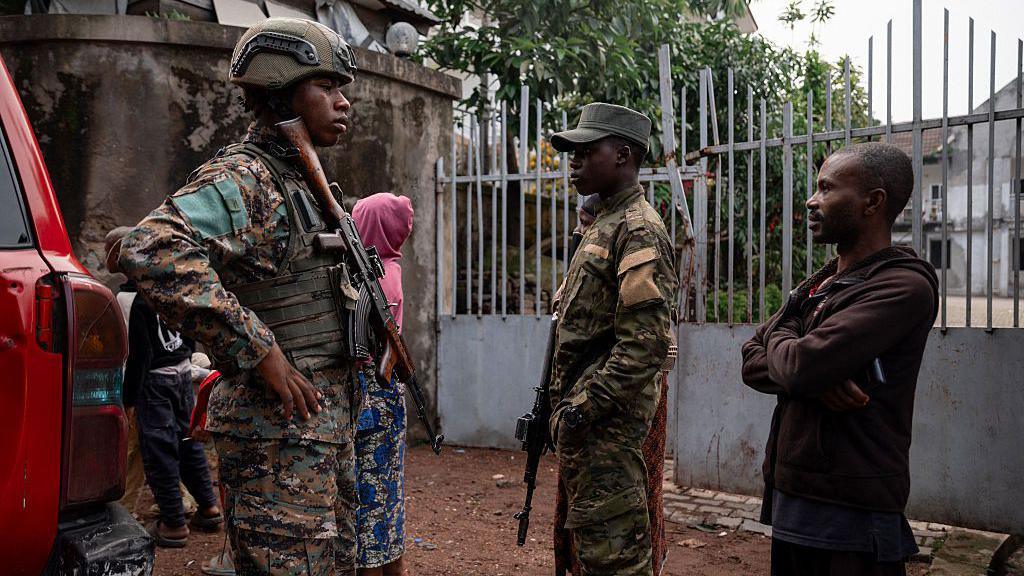
A ceasefire‑monitoring secretariat has been created, and the first verification mission is scheduled for Monday in Minembwe, South Kivu, an area still affected by fighting. Despite repeated ceasefire commitments, fighting has persisted in both North and South Kivu, with the government and M23 accusing each other of violations.
Key disagreements remain over sanctions against M23, the release of detainees, and the timing of political reforms. To date, the United States, Qatar, the Republic of Togo, the African Union Commission, and Switzerland have all played roles in supporting the mediation process.
The conflict is closely tied to tensions between DR Congo and neighbouring Rwanda over the presence of the Democratic Forces for the Liberation of Rwanda (FDLR). Rwanda accuses DR Congo of failing to dismantle the FDLR, while the Congolese government denies support and blames Rwanda for backing M23 with troops and weapons.
Eastern DR Congo, rich in coltan and other minerals essential to global electronics, faces continued insecurity. Since January 2025, M23 captured parts of eastern territory, including Goma and two airports, leading to thousands of deaths and hundreds of thousands displaced.