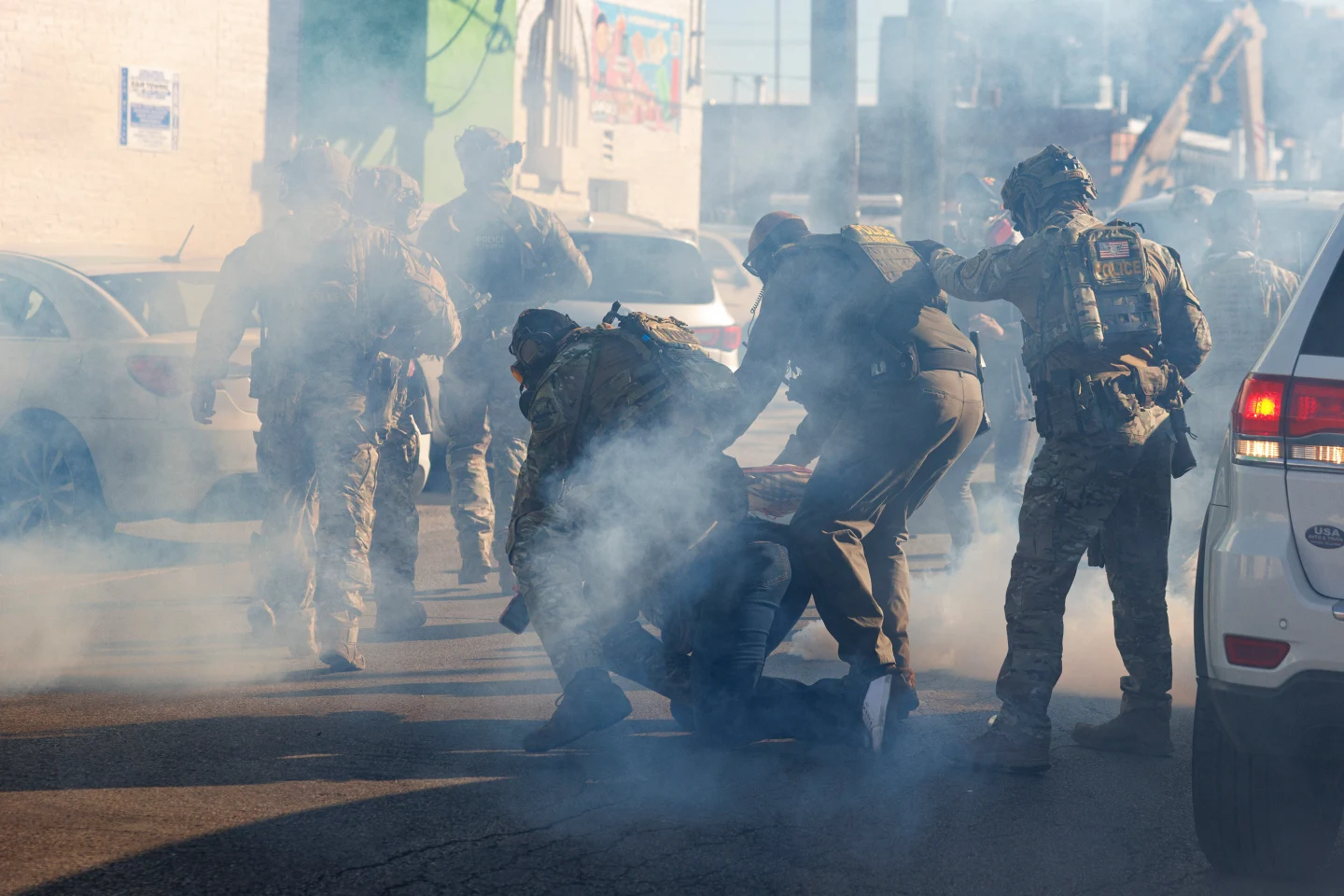
A recent ruling from a federal judge has sparked significant controversy as it raised concerns over the use of artificial intelligence in writing use-of-force reports by immigration agents in the Chicago area. U.S. District Judge Sara Ellis noted the implications of employing AI technology, such as ChatGPT, to draft these reports, suggesting it could lead to inaccuracies and further diminish public trust in law enforcement practices.
In a footnote within a lengthy 223-page opinion, Judge Ellis remarked on the integrity of AI-generated documents, which she indicated may undermine the credibility of the agents involved. She described how an immigration agent reportedly utilized ChatGPT to compile a narrative based on minimal information, thereby calling into question the authenticity of the account presented in the reports.
Discrepancies between the AI-generated reports and actual body camera footage highlighted the potential pitfalls of this practice. Experts in law and AI technology argue that employing an AI tool without the individual insights of the involved officer strips the report of essential context and could lead to severe factual inaccuracies.
Ian Adams, an assistant criminology professor, critiqued the practice, stating, 'It’s a nightmare scenario' if AI is given only a brief description and a few pictures to work with. He emphasized the need for officers' specific perspectives to offer an accurate account of any law enforcement encounter.
The Department of Homeland Security has yet to comment on this issue and whether any policies regulating the use of AI by agents are currently in place. As it stands, legislation for effective AI use in law enforcement remains sparse, and many agencies have yet to establish guidelines on how to safely and responsibly incorporate these new technologies.