In brief
The New Yalu River Bridge linking China and North Korea finally opened after more than a decade of delays, marking a significant moment in bilateral trade. The 3‑km span will serve as the main land route, replacing the old Friendship Bridge and signalling China’s willingness to deepen economic ties. While trade volumes have recovered to pre‑pandemic levels, analysts warn that sanctions will still limit a sudden surge in activity. The bridge underscores a strategic shift, as China reasserts influence as North Korea balances ties with Russia amid rising tensions. Despite the infrastructural triumph, the two nations still face diplomatic and economic challenges linked to international sanctions and regional security concerns.
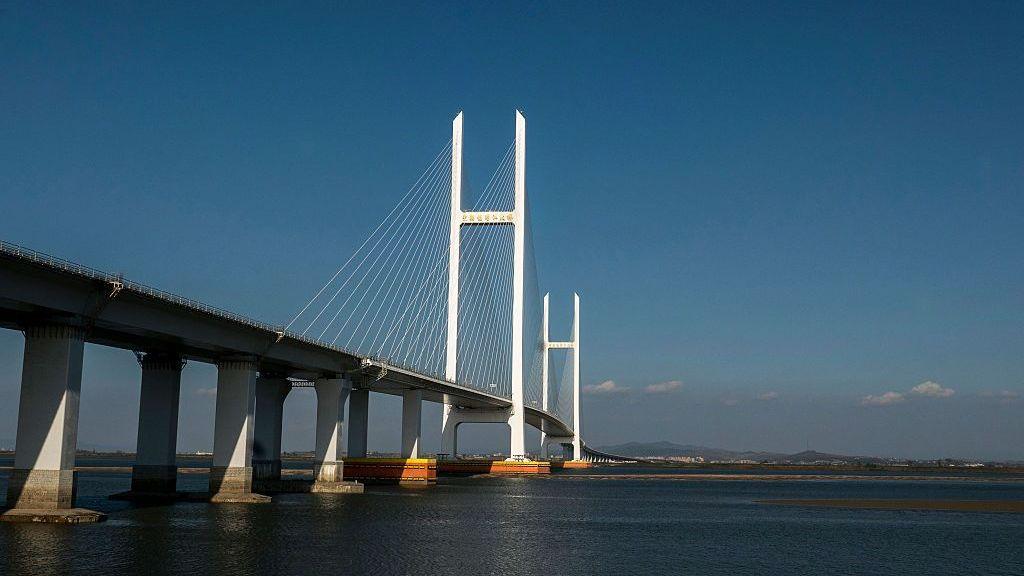
A long‑delayed road bridge linking China and North Korea has opened, as Chinese state media report, signifying a tightening of trade ties between the neighbours.
China remains North Korea’s largest trading partner and a critical lifeline against heavy international sanctions imposed over its nuclear programme.
The New Yalu River Bridge stretches 3km (1.9 miles) from Dandong in China to Sinuiju in North Korea, destined to become the main land corridor for commerce between the two countries.
The bridge’s inauguration, first planned for 2014, was postponed after North Korea halted construction of roads and customs facilities amid frosty relations with Beijing.
Chinese Premier Li Qiang hailed the bridge as a new landmark symbolising traditional friendship and announced that the two countries were opening a new chapter in bilateral ties.
It will replace the historic Sino‑Korean Friendship Bridge built during the Japanese occupation, offering a modern, safer crossing.
Last year bilateral trade reached $2.7 billion, recovering to pre‑pandemic levels, mainly driven by Chinese exports to North Korea, yet the UN sanctions still curb rapid growth.
Experts note that China is wary of a sudden flood of imports that could amplify its influence over the North Korean market, preferring a gradual increase in trade.
This infrastructure milestone comes as China seeks to reassert its sway over Pyongyang, which has grown closer to Russia following the Ukraine war and sanctions violations.
Air China resumed direct flights to Pyongyang, and passenger trains were reopened after a six‑year hiatus, reflecting more robust people‑to‑people exchanges.
Xi Jinping’s 2020 state visit to Pyongyang was symbolic, and the bridge’s opening underscores a tangible improvement in the partnership, though tensions from North Korea’s nuclear activities remain.