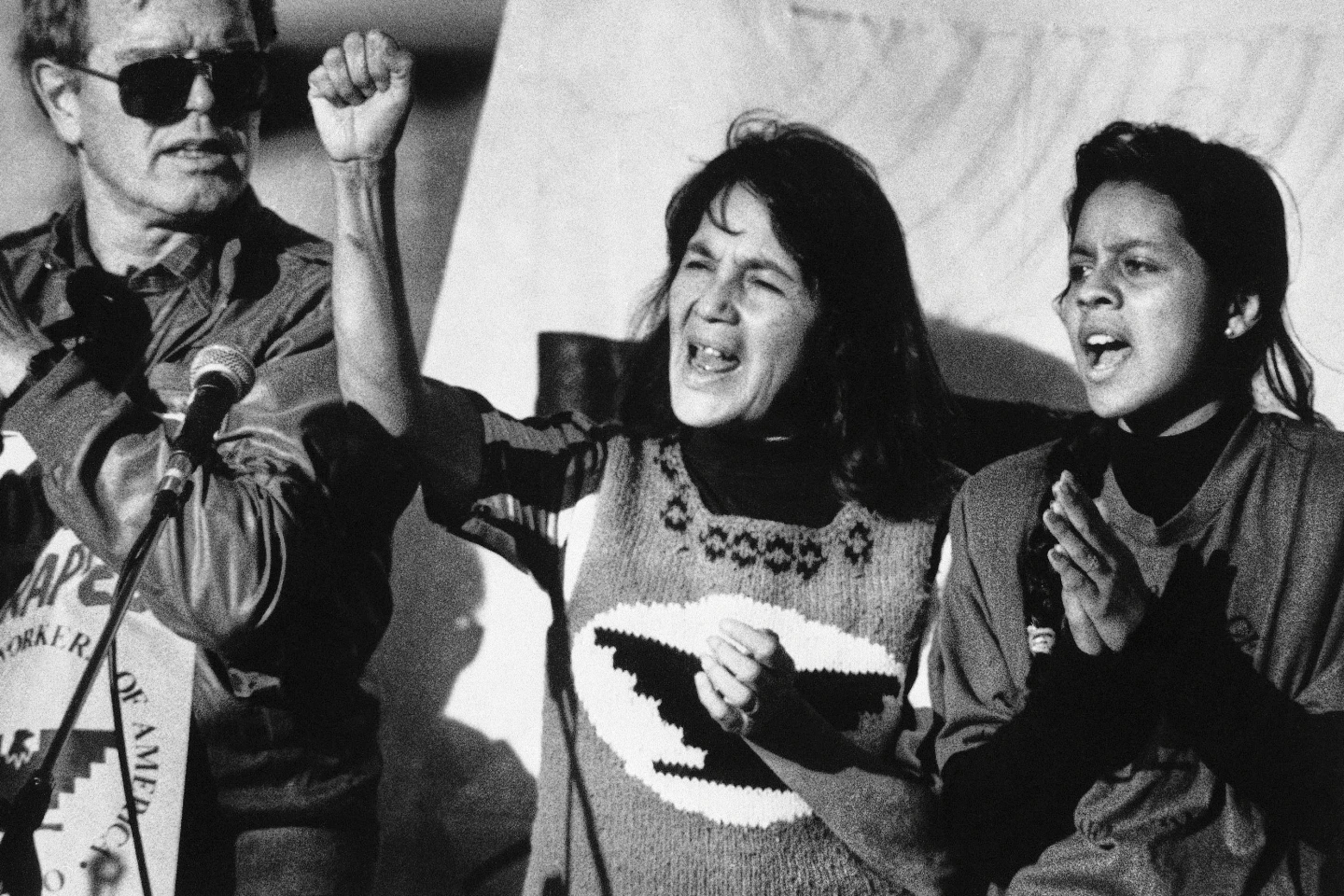
PHOENIX — Mary Rose Wilcox, once a staunch supporter of César Chavez, now faces the daunting task of reconciling the legacy of an icon with shocking new allegations. Together with her husband, Wilcox marched and fasted alongside Chavez, helped launch a radio station in Phoenix, and deeply honored him through murals and decor in their restaurant. However, this week, she was forced to confront a painful reality: numerous allegations of sexual abuse toward underage girls and even claims against fellow labor leader Dolores Huerta.
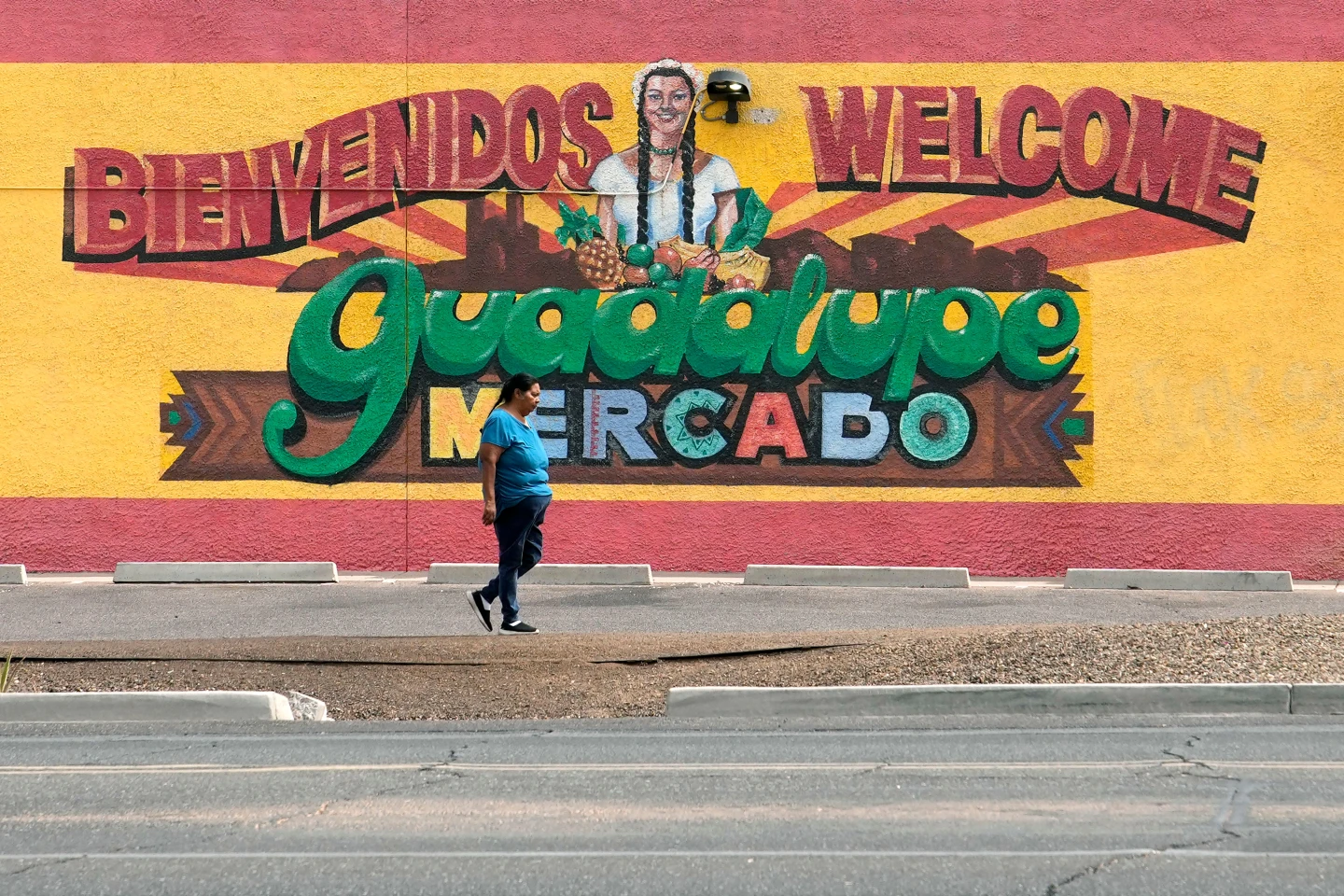
By Wednesday morning, the couple had already taken down Chavez's imagery from the walls of their restaurant, leaving behind a literal and symbolic void. We love César Chavez. But we cannot honor him and we cannot even love him anymore,” she stated. The emotional toll of these allegations is evident across various segments of the community.
Chavez, who died in 1993, was a champion for farmworker rights, yet the recent revelations have ignited significant controversy amongst Latino leaders and community groups. While they have condemned the behavior as inexcusable, many insist that the farmworker movement transcended any single individual. Calls have emerged to alter memorials and recognition dedicated to Chavez, with certain events in his honor already being canceled.
Dolores Huerta, who co-founded the National Farm Workers Association with Chavez, is now coming forward with her own harrowing experiences. In a poignant statement, Huerta revealed that she was a victim of Chavez's manipulative and abusive behavior, describing experiences that led to unplanned pregnancies. This shocking acknowledgment illustrates a broader concern about power dynamics within the labor movement.
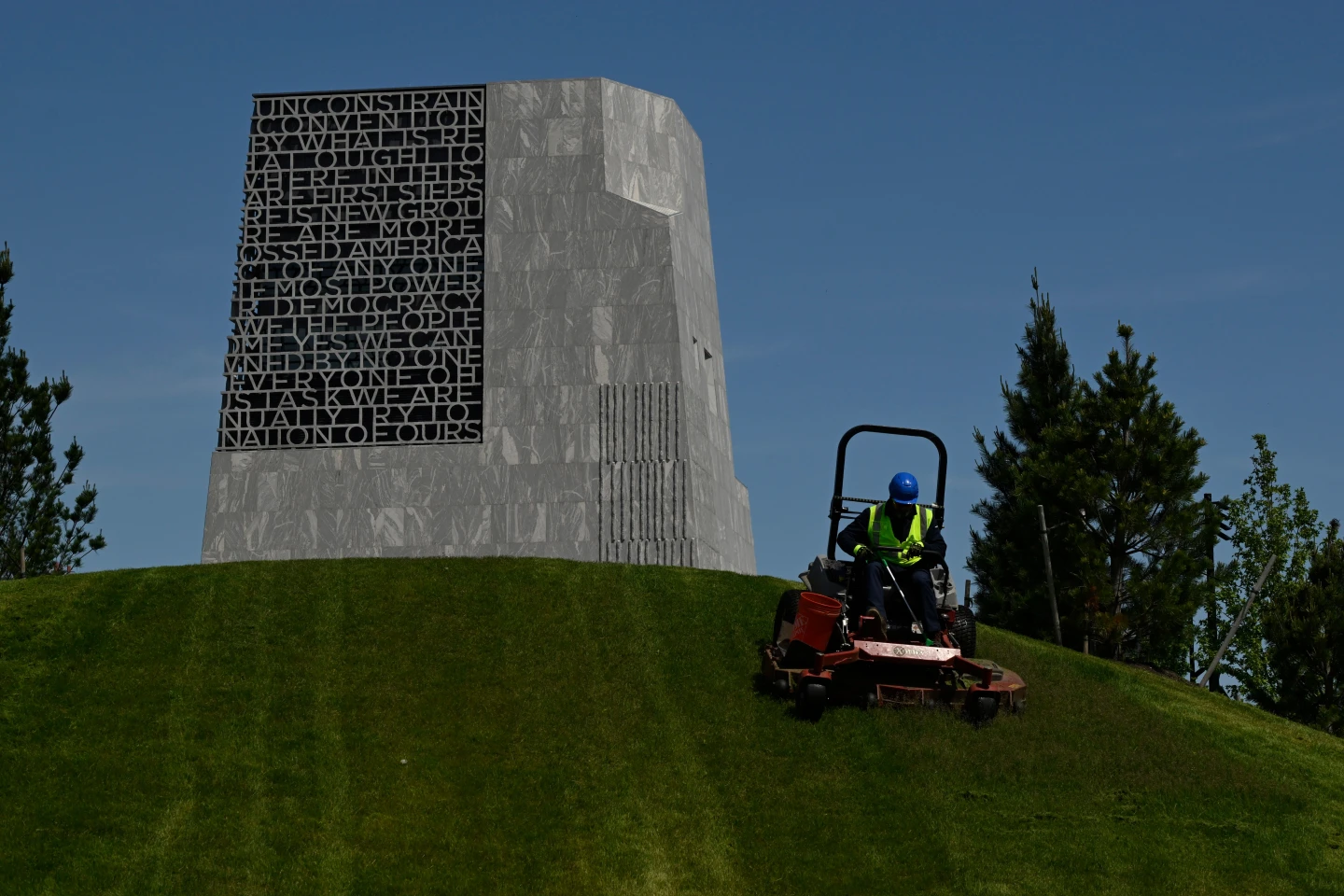
Community responses have varied widely, with public leaders from both party lines urging a re-evaluation of how Chavez's legacy is honored. Memorials, named buildings, and even local celebrations face scrutiny and calls for change. The California Museum announced it would remove Chavez from its Hall of Fame for the first time ever, reflecting broader societal demands for accountability.
The United Farm Workers union has distanced itself from the annual celebrations, calling the allegations troubling and urging a commitment to supporting survivors. As local leaders grapple with these developments, a consensus is forming that the legacy of César Chavez must be examined through a lens that considers both his impact on labor rights and the disturbing accusations that now overshadow his contributions.
Wilcox encapsulates a heart-wrenching duality: praising the man for empowering workers while simultaneously confronting a darker side that challenges the very foundations of that legacy. As the community processes these revelations, the question remains: how does one honor a figure whose actions are now clouded by allegations of abuse?