
In brief
Amid his recent appointments, the former president is indicating a definitive shift towards aggressive immigration strategies and confrontational foreign policy, placing heavy emphasis on loyalty within his administration.
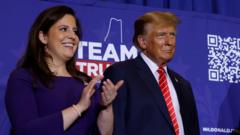
In a whirlwind of appointments and policy pronouncements, Donald Trump's emerging presidency—pending his electoral victories—has begun to take shape. Shortly after being declared president-elect for a second term, Trump revealed nearly a dozen key picks, indicating a return to familiar hardline policies and a focus on immigration and foreign relations.Appointing Congresswoman Elise Stefanik as the US ambassador to the United Nations, Trump has made it clear that his administration will prioritize a tough stance on immigration. With Stephen Miller returning as deputy chief of staff for policy, a figure notorious for developing strict immigration measures during Trump's first term, plans for mass deportations are taking center stage. Thomas Homan, a controversial figure in immigration enforcement, is designated as Trump’s “immigration tsar,” emphasizing an aggressive approach reminiscent of past policies. Homan has already made headlines by promising to deploy the largest deportation force in US history.As for foreign policy, Trump's administration is leaning towards vocal critics of China, indicative of a more confrontational approach than during his initial presidency. Key appointments include Florida Congressman Mike Waltz as national security adviser and Stefanik's strong condemnations of Chinese influence in American politics. With speculation swirling around potential choices for secretary of state, Senator Marco Rubio—another staunch critic of China—emerges as a frontrunner.Elon Musk’s significant role in advising Trump on various fronts, including a new initiative meant to dismantle bureaucratic inefficiencies, adds another layer to an administration that seems focused on enhancing presidential power. Musk’s backing—evidenced by substantial campaign contributions—is pivotal as Trump aims to streamline the government.With Republicans controlling the Senate and a marginal shot at the House, Trump’s current strategy appears to prioritize leveraging presidential power. A notable divergence from traditional dependence on Congress, his actions suggest a shift towards executive action that bypasses legislative complexities. The potential pitfalls of this approach have been cautioned against by advisors, including Musk, who highlight the risks of alienating congressional allies by plucking them from their elected roles.Moreover, Trump seems to be rewarding long-time loyalists, contrasting sharply with his 2016 pool of more establishment-based candidates. High-profile appointments such as South Dakota Governor Kristi Noem as homeland security secretary showcase a distinct preference for proven allies over political newcomers, shifting the dynamic within the Republican establishment.As Trump embarks on a second term, the extent of his reliance on loyalty, aggressive immigration policies, and a hardened stance towards geopolitical rivals will determine if this new administration is truly different from the last—an outcome that only time will reveal.

