In brief
The Treasury Department has fined Bank of America $1.2 billion for failing to detect and report $5 billion of suspicious transactions, including those linked to Chinese laundering networks and trade‑based money laundering at the U.S. southwest border. The penalty— the largest ever imposed on a U.S. bank—includes a $750 million fine from the OCC and $11.6 million from OFAC for a range of sanctions violations. Bank officials say remediation costs are already in current expenses and will impact Q3 earnings by 17 cents per share. The settlement underscores the importance of robust internal anti‑money‑laundering controls in a global financial system at risk from illicit finance.
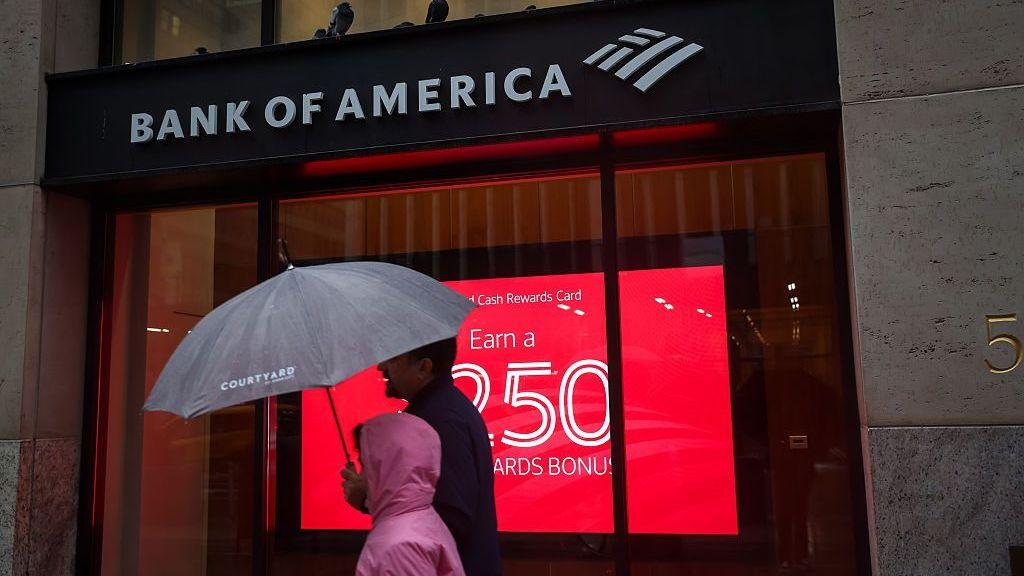
The U.S. Treasury Department announced on Tuesday that it will impose a $1.2 billion fine on Bank of America (NYSE: BAC) for failing to identify and report $5 billion in suspicious banking activity. This penalty represents the largest fine ever levied on a U.S. banking institution for anti‑money‑laundering (AML) violations.
According to Treasury officials, the bank did not flag transactions that may have involved Chinese money‑laundering networks or trade‑based laundering linked to the U.S. southwest border. The failure also included an overreliance on external inquiries rather than internal controls, effectively outsourcing its proactive AML duties.
Bank of America acknowledged it had "willfully violated" the Bank Secrecy Act by not maintaining a compliant AML program, nor by neglecting due diligence on foreign correspondent accounts and failing to file requisite suspicious‑activity reports.
The settlement broke down as follows:
- $750 m fine from the Office of the Comptroller of the Currency (OCC) – the largest penalty the OCC has ever imposed.
- $11.6 m fine from the Office of Foreign Assets Control (OFAC) – reflecting 475 sanctions violations, including those related to Russia, Iran, narcotics and global terrorism.
In a statement to the BBC, Bank of America said it had already allocated significant personnel and resources to address the regulatory deficiencies and that the remediation costs would be reflected in the current expense base. The quarter’s financial impact will include a $1.2 billion non‑tax‑deductible charge, reducing net income by about 17 cents per share.
Treasury Secretary Scott Bessent warned that a bank of this size failing to meet AML standards exposes the entire U.S. financial system to “significant illicit finance risks.” The penalty underscores the crucial role of robust, internal AML frameworks in safeguarding global finance from criminal exploitation.