In brief
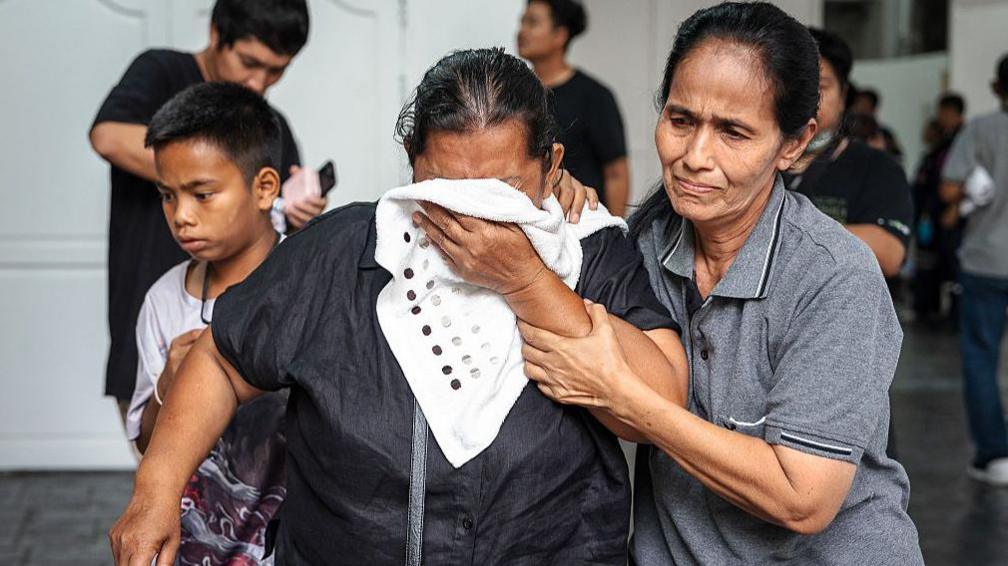
A sudden blaze inside Bangkok’s Rong Beer Na Ladprao pub killed 32 people, echoing a 2009 nightclub tragedy that claimed 67 lives. Investigators point to cramped exits, flammable insulation and power failures as common triggers. The incident exposes loopholes that let many venues operate outside stringent safety mandates and reveals a culture of corruption that hampers enforcement. Governor Chadchart Sittipunt now orders random checks of “restaurant‑clubs” to close or upgrade risky establishments. Yet the city still faces challenges in staffing, resources and political will to bring lasting change.
A sudden blast of flame across a crowded bar sends revellers in panic towards a single, narrow exit. Thick, toxic smoke chokes them. The bodies of those who have succumbed block the escape of those who have not.
The tragedy at Rong Beer Na Ladprao on July 14, which killed 32, mirrors the 2009 Santika Club disaster in Bangkok that took 67 lives, and the 2012 Mountain B fire in Sattahip that claimed 26. Each blaze shares a pattern: rapid spread from electric faults or highly flammable sound‑insulation, smoke that blinds occupants, and lack of clear exits.
Professor Worsak Kanok‑Nukulchai of the Asian Institute of Technology argues the root cause was an electrical fault igniting flammable insulation, which then fed on new oxygen once the front exit opened. Power outages left emergency signage dark and two rear exits became jammed by bodies, trapping many inside.
In response, Bangkok’s governor acknowledged a deadly loophole: most breweries and pubs that double as clubs fall outside the city’s designated entertainment zones and therefore evade the stricter fire‑proofing, exit size and sprinkler regulations demanded of licensed night‑life venues. He now orders random, surprise inspections of all establishments labelled as restaurants that operate as clubs.
However there are thousands of such places in Bangkok, and the Metropolitan Administration’s staffing and enforcement capacity may be insufficient to island them all. Corruption also hampers progress: the owners and operators of the Mountain B fire were fined, yet remain free on bail while appeals proceed for years. Even police officers who ignored violations have rarely faced a sentence.
This tragedy adds to a worrying array of safety lapses in Thailand: from the 2024 bus fire that killed 23 schoolchildren, to the crane collapse that killed 32 train passengers, to teenage‑driver‑incident fatalities. Each incident brings promises of reforms that rarely materialise. The question that remains: how will Bangkok restructure its night‑life industry and enforce safety so that a single spark does not turn into a death toll?