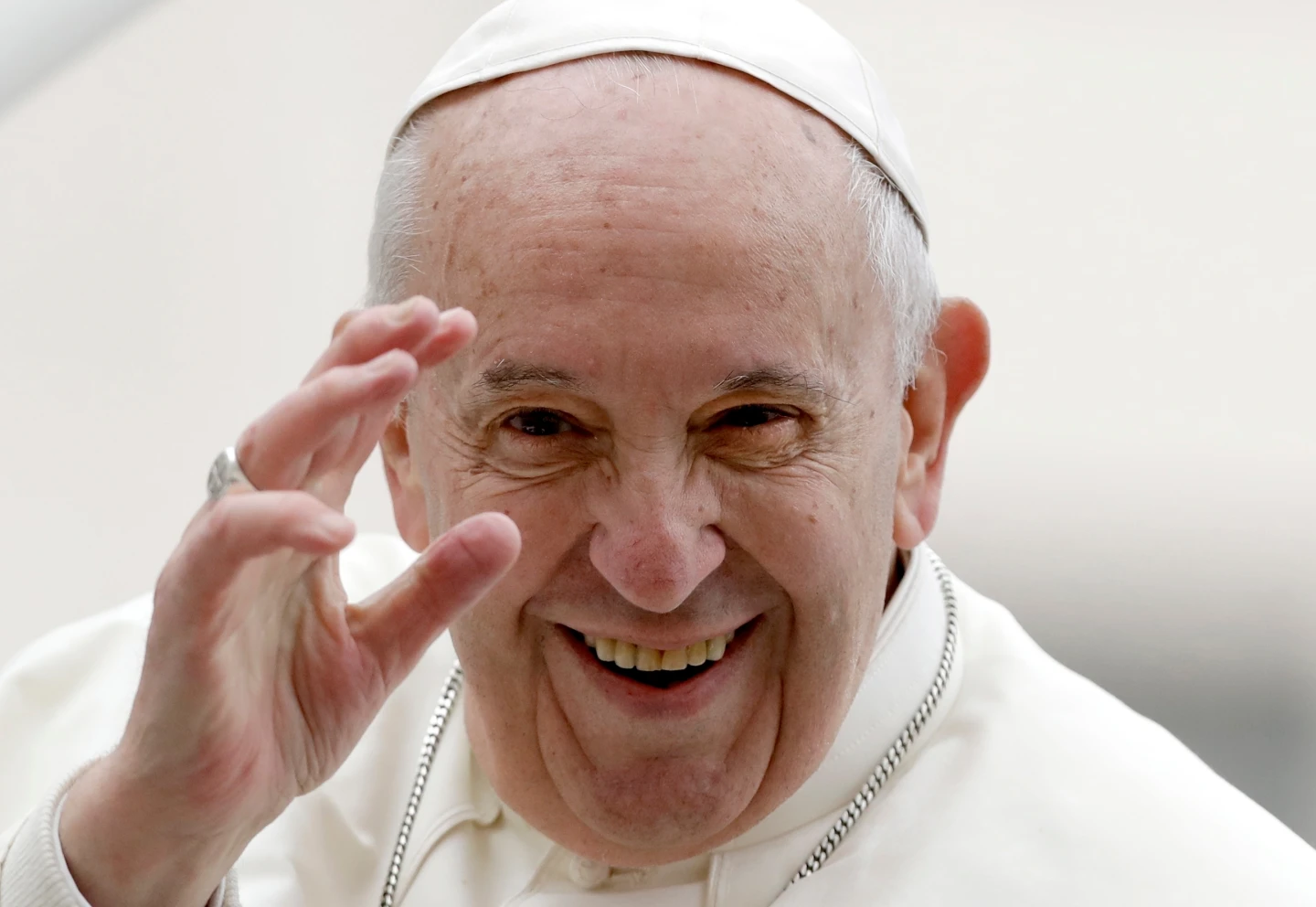
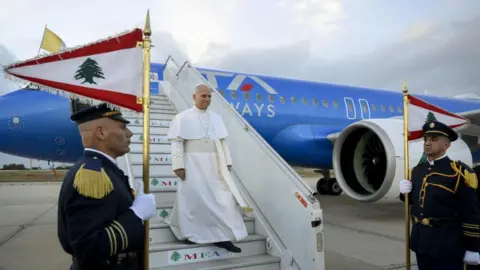
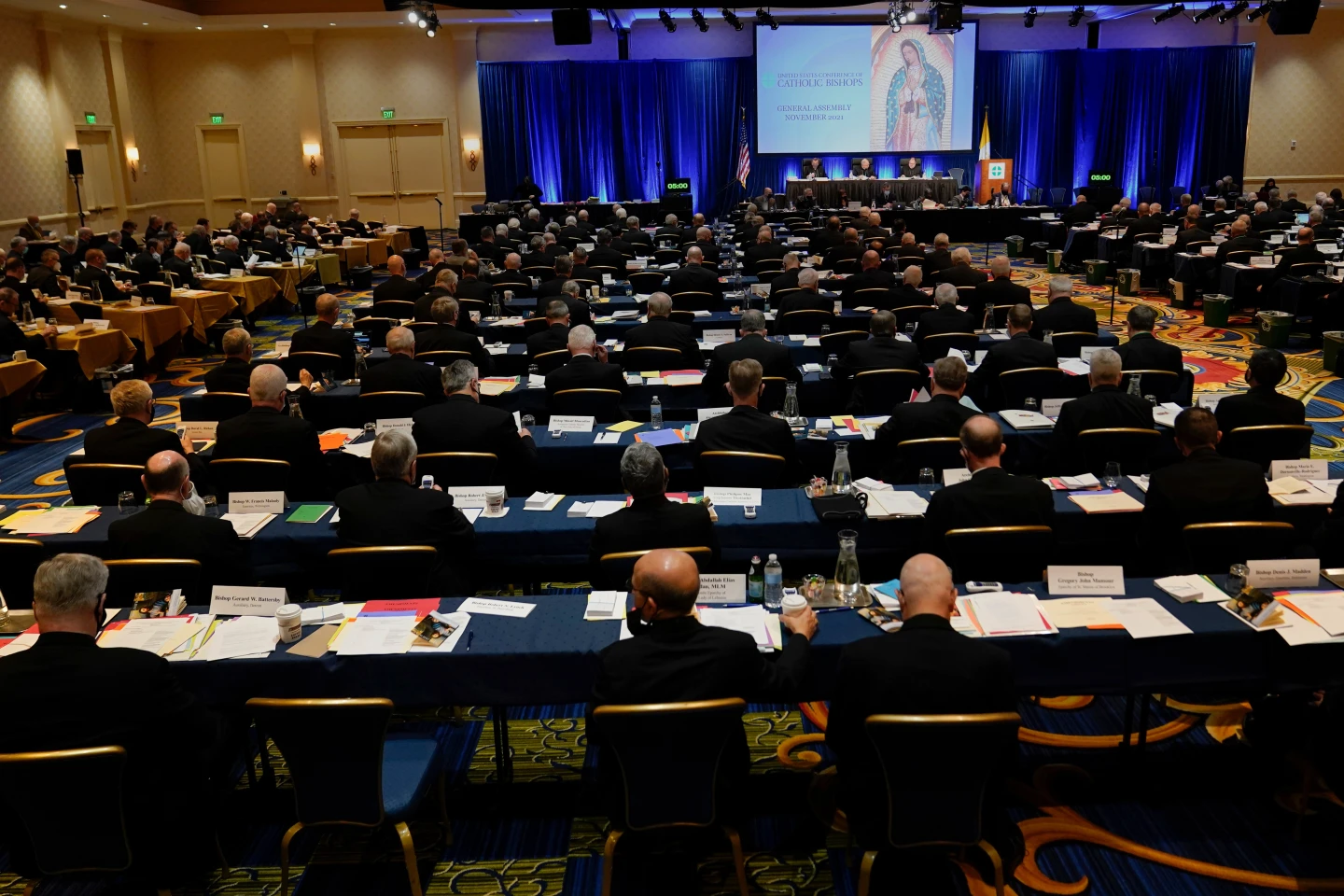
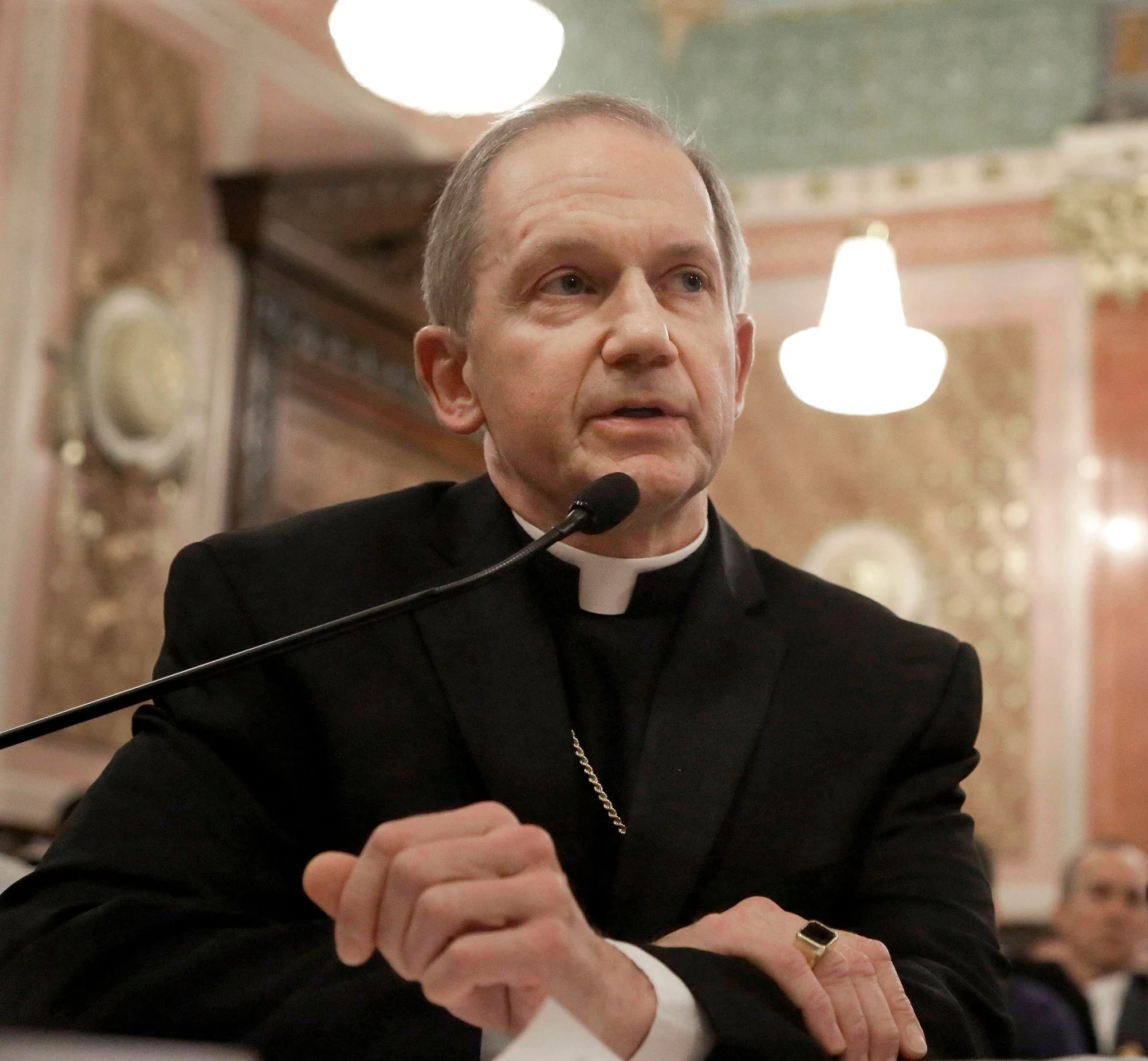
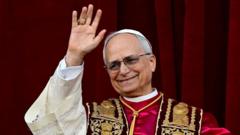
The cardinals gathered in Rome for the imminent conclave hold the weight of the Catholic Church's future as they prepare to elect a successor to Pope Francis. This influential assembly is marked by pronounced ideological divisions, echoing the political rifts seen in many parts of the world today. Although these clerics seem visibly divided along traditional progressive and conservative lines, the dynamics in the Vatican reveal that the issues at play are far more nuanced.
Pope Francis was well-regarded among progressive quarters for his advocacy for marginalized groups, particularly migrants and the impoverished. However, the core tenets of the church remain tilted towards such inclusivity, complicating any straightforward categorization of cardinals based on their views. Experts suggest that the outcome of the conclave may serve as a referendum not only on Francis's legacy but also on the church’s potential trajectory: whether to embrace a legacy of openness or retreat into conservatism.
According to Anna Rowlands, a political theologian from Durham University, Francis navigated a positively polarized climate, advocating for dialogue amidst dissent. Yet, the next pope's election could catalyze a crucial philosophical moment regarding the Catholic Church's future. The question looming over the conclave is profound: who has the right to shape the direction of the church in an era fraught with tension and divergent views?