In brief
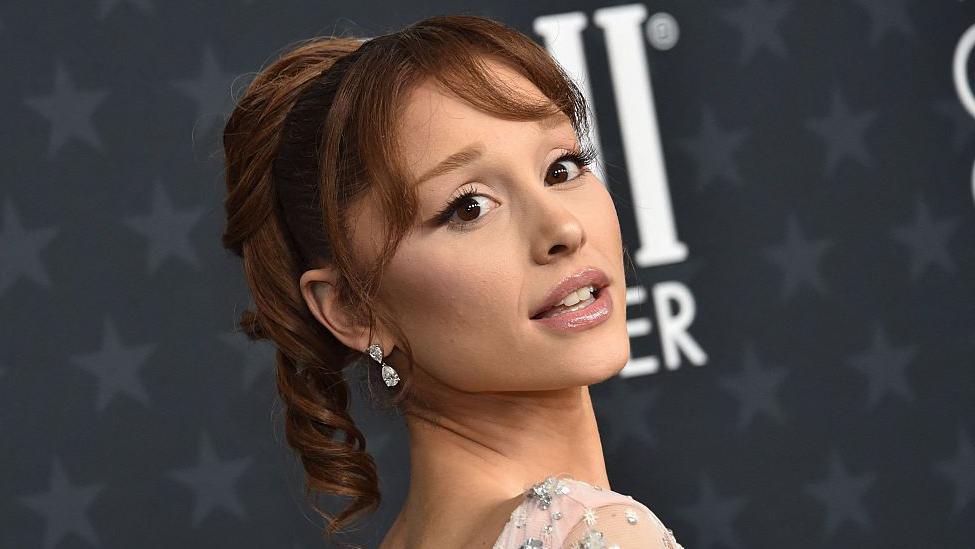
Ariana Grande has filed a lawsuit in Los Angeles against two unidentified hackers who allegedly infiltrated the computers of her collaborators to steal and leak 45 of her unreleased songs. The suit claims the stolen material has been sold on the dark web for sizable sums and seeks damages for invasion of privacy, computer fraud, and conversion. Grande’s legal team is demanding the hackers’ identities be revealed while protecting her creative output as she prepares for the release of her eighth album, Petal, and continues her world tour. The case highlights growing cyber‑security threats to musicians and the lengths artists will go to safeguard their intellectual property.
In a move that underlines the growing threat to artists’ intellectual property, pop singer Ariana Grande filed a lawsuit in Los Angeles against two unidentified hackers. According to papers she says the twin culprits infiltrated the computers of her photographers and producers, accessed unreleased master recordings, demos, and studio footage, and sold the content on the dark web for “significant sums of money.”
The lawsuit pins down 45 unreleased tracks that allegedly went missing in 2023 alone, adding to a catalogue of hundreds of similar leaks that Grande has endured since 2011. She is demanding that those responsible be brought to justice, and she wants the proceedings to reveal the hackers’ identities.
Grande has previously warned that leaking her music affects the relationship she has built with her fans. In a 2024 interview with the Zach Sang show, she referenced a song titled “Fantasize,” written with Swedish pop legend Max Martin, which went viral after being posted online without permission. She called the hackers “pirates” and “illegal.”
Beyond the legal fight, the singer is preparing to release her eighth studio album, Petal, this Friday. At the same time she’s on the road, starring in a world tour that will include her first UK shows in August. Her lawyers say the privacy breach and the disruption it caused have inflicted “substantial and irreparable harm” on her career.
This case underscores how the digital age makes it easier for cyber‑criminals to breach secure environments and how the music industry must continually adapt its security protocols. For Grande, the lawsuit is both a legal shield and a public statement of her determination to protect her art and her fans’ trust.