In brief
Following a sudden loss of altitude on a Phuket‑to‑Delhi flight, Air India will now test every pilot for restricted substances. The move, announced immediately, surpasses the existing 10% random testing rule. The incident, which injured 17 passengers and crew, has driven the airline to intensify safety protocols as investigators probe the event with Airbus and French authorities. While the airline’s new CEO oversees the crackdown, the policy underscores a broader commitment to uphold safety and reassure passengers.
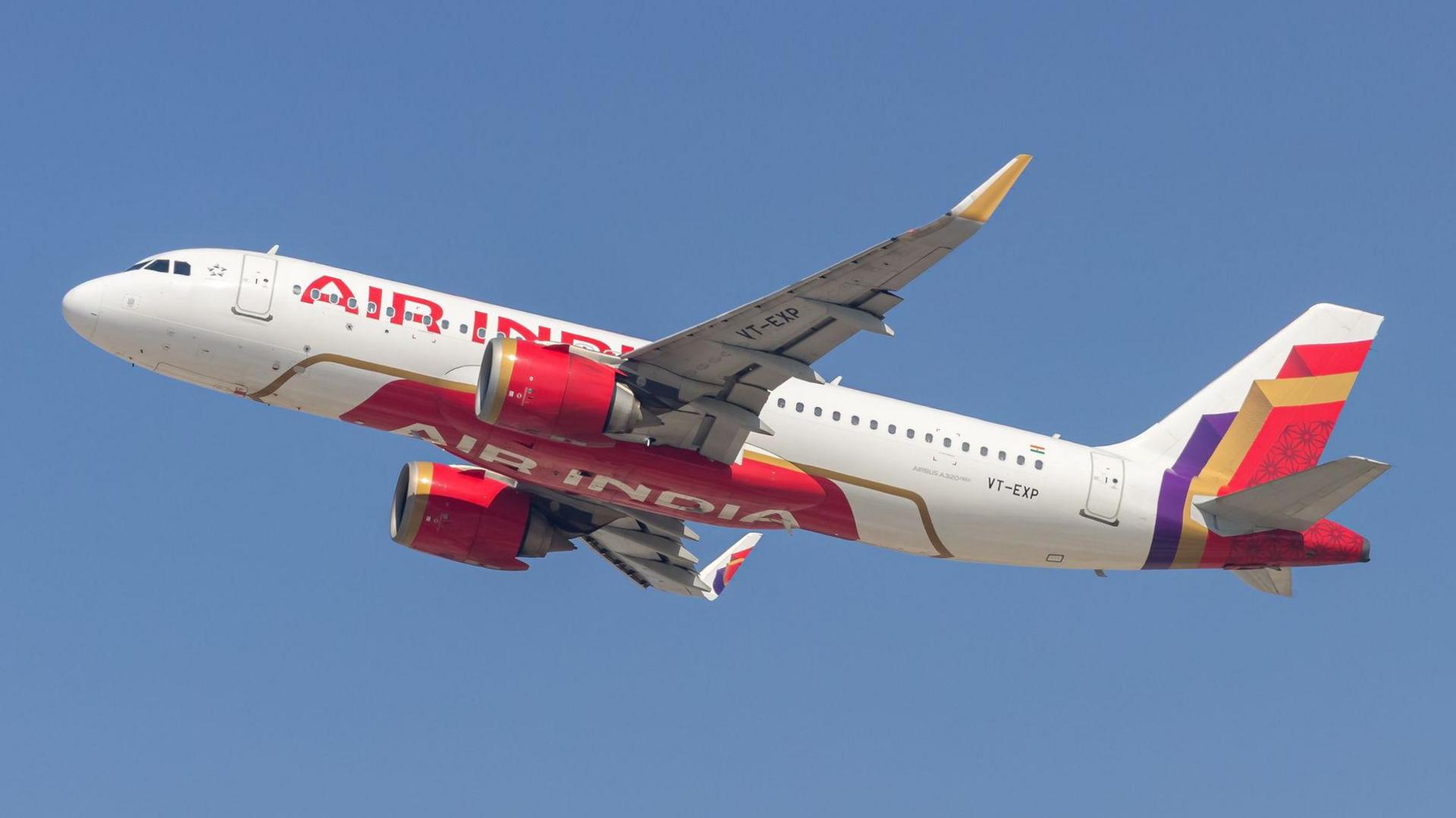
Air India has introduced a company‑wide pilot drug‑testing protocol following a recent flight incident.
On 4 August, a Phuket‑to‑Delhi flight lost about 91 metres just after take‑off, injuring 17 passengers and crew. Preliminary findings suggest the senior pilot failed a substance test and tested positive for marijuana.
In response, the airline will test every pilot for banned substances and prohibited medications. This initiative exceeds the current regulation requiring random testing of no less than 10 % of pilots.
Both pilots involved were immediately grounded and are pending investigation by Indian authorities, Airbus, and the French aviation safety agency. Air India’s leadership says the policy is intended to reassure passengers, stakeholders, and the wider community that safety standards are being bolstered.
The new measures will run in tandem with training at Air India’s academy and other briefing centers, ensuring that pilots remain compliant with aviation health and safety protocols.
Context and Future Steps
Air India’s new chief executive, former Ethiopian Airlines CEO Tewolde Gebremariam, will oversee the rollout. The airline has been under scrutiny after a 2025 crash from Ahmedabad to London that claimed 241 lives on board and 19 on the ground.
While investigations continue, Air India’s augmented testing regime is part of a broader strategy to restore confidence and keep its fleet compliant with the highest safety standards.