In brief
A violent 7.4‑magnitude earthquake struck western Colombia, inflicting catastrophic damage on Cali, the country’s third‑largest city. Emergency crews and residents comb through collapsed structures in a frantic hunt for missing family while grappling with the scale of loss, with 169 fatalities and dozens injured reported. The quake has sparked a wider humanitarian response, as volunteers, local authorities and international aid organizations coordinate rescue efforts amid ongoing aftershocks. Community members cling to hope amid rubble, sharing stories of resilience and the urgent need for shelter, food and medical supplies. The disaster underscores the persistent vulnerability of Colombia to seismic events and the imperative of robust disaster preparedness.
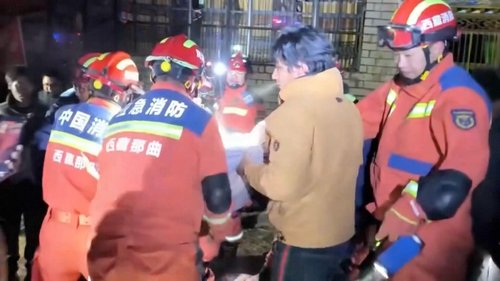
On the morning of 11 August, a 7.4‑magnitude earthquake slammed into western Colombia, unleashing massive destruction across the city of Cali. Rescue workers and residents are racing through collapsed buildings looking for survivors, as the tremor left at least 169 people dead and dozens injured.
The quake, the country’s most powerful in years, generated waves of shaking that rattled homes, schools and hospitals alike. In the immediate aftermath, emergency services have been mobilised to coordinate search teams and provide medical care to the wounded.
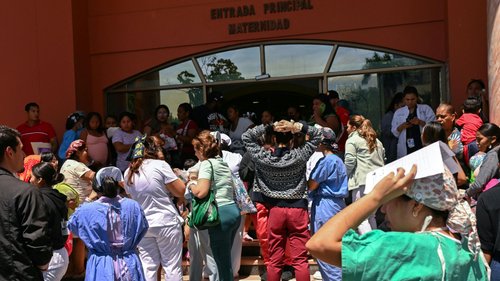
Families of those missing are gathering in makeshift relief centres, hoping to receive updates via radio and counselling from local authorities. The city’s emergency response unit has urged residents to stay away from unstable structures while they await further instructions.
International aid agencies and volunteers are arriving to assist with relief efforts. In addition to search and rescue, they are delivering supplies such as bottled water, blankets and medical kits to shelters scattered across the city.
Efforts to document the scale of damage are ongoing. Authorities are linking satellite imagery and on‑ground reports to assess structural integrity and plan reconstruction, hoping to regain stability and spark hope in a city that has experienced enduring seismic activity.
For ongoing coverage of Colombia’s largest quake in years, follow the official updates on the BBC News website and contact local emergency services for further information. Participants visiting the virtual newsroom through metaworld.media can view live feeds of the disaster zone and join community discussions through their avatars.