
In brief
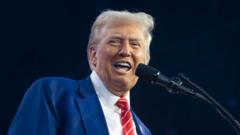
In a speech at a recent conservative conference, Trump reasserted his earlier ambitions for the US to reclaim these strategically significant areas, which are not for sale, raising questions about his foreign policy stance.
Donald Trump is back in the spotlight, but this time it’s not just about his campaign for the 2024 presidential election. The former president recently sparked controversy during a conservative conference in Arizona by suggesting that the US should reclaim control of the Panama Canal and reiterated his previous interest in purchasing Greenland, both claims raising eyebrows among foreign policy experts and leaders alike.In his address, Trump described fees imposed by Panama on US ships as “ridiculous” and “highly unfair.” He indicated that if the situation continued, he would demand the return of the Panama Canal to American ownership. The historically significant waterway, which the US operated until the 1970s under a treaty, has been vital for US trade, particularly with the growing influence of China as the second-largest user of the canal.Commenting on Trump’s remarks, Will Freeman, a scholar at the Council on Foreign Relations specializing in Latin American studies, noted that Trump's comments seem to reflect a broader notion of national security, especially concerning US interests in maintaining control over trade routes essential for military logistics during conflicts. "There’s a real US national security interest... in controlling its neutrality," he explained.Additionally, Trump’s tweets resurfaced his proposal from 2019 about acquiring Greenland, which is rich in natural resources and holds strategic military significance for the US. Following his recent statements, Greenland’s Prime Minister Múte B Egede quickly countered, stating unequivocally, “We are not for sale.”Reactions to Trump’s remarks came swiftly, with Panama's President José Raúl Mulino affirming the country's rights to the canal and emphasizing its importance to Panamanian sovereignty. As the discourse unfolds, Trump continues to draw attention to international trade issues, particularly his disdain for tariffs imposed by other nations on US goods.As Trump approaches his inauguration set for January 20, 2024, the echoes of his assertive “America First” philosophy continue to resonate. His earlier strategies, which included leveraging America’s economic might, raise questions about how he may navigate foreign relations should he assume the presidency again. Both Denmark and Greenland have acknowledged Trump's aspirations while maintaining their stance of independence.As the world watches, it remains to be seen how Trump’s proclamations will affect international diplomacy, trade practices, and regional security dynamics in the months ahead.


