In brief
Sri Lanka is gearing up for snap parliamentary elections as citizens approach the polls just weeks after electing a new president, highlighting the ongoing economic turmoil and political shifts in the nation.
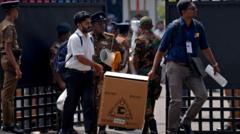
Sri Lanka’s electorate of 17.1 million will embark on another round of voting in snap parliamentary elections on Thursday, just seven weeks after the presidential election. This contest will see over 8,800 candidates compete across 49 political parties and 284 independent groups. Polling begins at 7:00 AM local time and concludes at 4:00 PM, with results anticipated by Friday.Despite the high number of candidates, a report from Rohana Hettiarachchi, head of the People's Action for Free and Fair Elections, indicates that only about 1,000 candidates have actively engaged in campaigning. The elections come in the wake of a political crisis triggered in 2022, leading to the ouster of former President Gotabaya Rajapaksa amid widespread protests against high inflation and shortages of essential goods.Ranil Wickremesinghe, who succeeded Rajapaksa, secured a $3 billion bailout package from the International Monetary Fund to alleviate the country's financial woes, but many citizens, like garment factory worker Manjula Devi, highlight that their struggles continue unabated. The poverty rate in Sri Lanka has surged to 25.9% in just four years, and the World Bank projects sluggish economic growth of only 2.2% in 2024."The economic crisis of 2022 has not been wholly resolved," warns Raisa Wickrematunge, deputy editor of Himal Southasian magazine. Reports of public institutions like hospitals cutting back on utilities to manage costs are indicative of the ongoing hardships faced by the populace. In particular, Sri Lanka's first-ever default on foreign debt in 2022 compelled the government to seek debt restructuring, reflecting the dire fiscal health of the country.The upcoming elections are expected to be multi-faceted and competitive, potentially complicating President Anura Kumara Dissanayake's push for major reforms. Analysts anticipate that Dissanayake may have difficulty achieving a two-thirds majority, which would necessitate reliance on coalition partnerships, potentially stalling his administration's agenda.In a positive sign, the current election campaign has been largely peaceful, with no significant reports of violence or misuse of state resources. Observers remain hopeful that the elections will reflect a stable political climate compared to previous electoral cycles.With voters heading to the polls once more, the atmosphere is charged with expectation as they seek to navigate Sri Lanka's complex political landscape while grappling with the economic realities of daily life.