
In brief
As concerns rise over global conflicts, Nordic countries are arming their citizens with updated emergency preparation guides to face potential crises, including war.
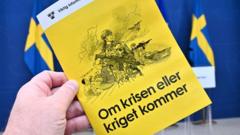
On Monday, millions of Swedes will receive the government’s revised pamphlet titled “If Crisis or War Comes,” a comprehensive guide that echoes concerns stemming from Russia’s invasion of Ukraine. The updated version doubles in size compared to its predecessor from six years ago, ultimately providing more in-depth information on survival tactics in times of conflict.Finland has also taken proactive steps by releasing a new online guide emphasizing preparation for various incidents, while Norway has circulated a pamphlet encouraging residents to be self-sufficient for a week amid extreme weather, military action, and other emergencies. Each country approaches these guidelines differently, showcasing their unique historical contexts and security strategies.The Finnish guide incorporates detailed military conflict protocols, underscoring that the nation's leadership is prepared for self-defense. The Finnish government opted not to distribute physical copies broadly to save costs; instead, it focuses on an easily updatable digital format. Finnish authorities claim they are equipped for a substantial response, reflecting the country’s long-standing defensive posture, particularly given its history and geographic proximity to Russia.Conversely, Norway has distributed 2.2 million paper copies of its pamphlet, which includes lists of essential items, such as non-perishable foods and iodine tablets for potential nuclear emergencies. This action follows earlier advisories and aims to address the heightened risks associated with climate change and natural disasters, like floods.Sweden's pamphlet, first issued during World War II and updated throughout the Cold War, carries a contemporary urgency reflecting today’s geopolitical tensions. Notably, a robust statement has been prioritized in the materials: “If Sweden is attacked by another country, we will never give up,” aimed at combating any narrative of capitulation.Sweden's Civil Defence Minister, Carl-Oskar Bohlin, emphasized the necessity for information that echoes the current national security climate and called for increased public readiness amid “a changing global context.” The urgency reflected in Bohlin's statements is particularly poignant given Sweden's recent accession to NATO and a shift from historical neutrality.As concerns grip the region, individuals—like Finnish national Melissa Eve Ajosmaki studying in Gothenburg—continue to grapple with heightened anxiety. She notes a sense of caution and preparation, particularly for family back home, emphasizing the emotional weight of potential conflict.Both nations’ emergency recommendations detail how citizens can prepare for various scenarios, including enduring extended power outages in harsh winter conditions. Checklists suggest essential food supplies, backups for power, and means to care for pets, cementing a national ethos of self-reliance amidst uncertainty.For economists like Ingemar Gustafsson, who has received similar literature before, the response is balanced. While he admits to not feeling particularly alarmed, he appreciates the critical information advising citizens on how to act should emergencies arise.As military threats evolve, the challenge looms large: Is it practically feasible for families, particularly in urban settings, to maintain adequate emergency supplies? Experts express concerns over storage and practicality amid everyday pressures.With the backdrop of war in Ukraine amplifying tensions, these Nordic counsels emerge as critical resources in a rapidly changing geopolitical landscape.


