In brief
Spain is facing additional heavy rainfall as it continues to deal with the aftermath of catastrophic flooding that resulted in a significant loss of life and broader implications for national preparedness.
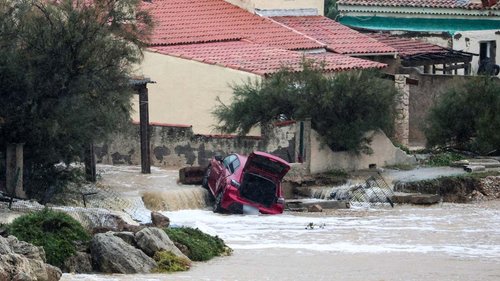
On Monday, Spain’s Interior Ministry reported an increase in the death toll to 215 following the flash floods that swept through the country last week. The floods, triggered by unprecedented downpours, have ignited a fierce debate over governmental responsibility and the adequacy of pre-storm warnings. Emergency workers are actively searching for more victims as the weather forecast predicts further severe rain—particularly in the coastal regions of Catalonia, Tarragona, and Castellón.Text alerts advising residents to remain cautious about travel were issued by regional authorities in Catalonia in anticipation of the new rain, with around six inches of rain recorded in Barcelona by midday. Airport operations also faced major disruptions in Barcelona due to flooding.In the Valencia region, hardest hit by the previous storms, investigations are underway to determine why many residents were seemingly unprepared for the level of devastation. Despite early warnings from the meteorological agency, the Valencia regional government delayed sending out alerts until late in the day, leading to significant public outrage. Protests erupted in Paiporta, where the emotional impact of the disaster was palpable, directed at figures such as King Felipe VI, Prime Minister Pedro Sánchez, and local leaders.Authorities are under scrutiny for their response time, with some officials allegedly prioritizing meetings before taking decisive action to manage the crisis. In the aftermath, King Felipe acknowledged the widespread frustration felt by the public, emphasizing a need for reflection on the events that transpired. As recovery efforts continue, the focus remains on accountability as communities look to rebuild and prepare for any future disasters.