In brief
Dong Guangping, a former police officer turned human‑rights activist, has fled China multiple times in the past, only to be returned and jailed. In May 2024, he sailed from Shandong on a 3.3‑m rubber dinghy through the Yellow Sea. The journey lasted 40 hours and 300 km, threatening medical complications, depleted batteries, and the risk of drifting back to China. He was rescued by South Korean fishermen, briefly detained, and then granted asylum in Canada, joining his family who had left for Toronto weeks earlier. His story underscores the ongoing struggle of dissidents who risk all to escape authoritarian rule.
40‑Hour Ocean Escape: From Shandong to Toronto
Dong Guangping, 68, survived a grueling 40‑hour voyage across the Yellow Sea in a tiny 3.3‑m rubber dinghy. He left from China’s Shandong province after a lifelong struggle against the country’s surveillance state.
The lack of landmarks, a dying phone battery, debilitating sunburn and the constant threat of being swept back by the current created a perfect storm of fear. Yet in the absence of any alternative, he pushed forward as the sea threatened to swallow the fragile vessel.
At 20:30 on 25 May, Dong spotted a fishing boat, shouted for help, and was rescued by Korean fishermen. Following his rescue, he was briefly detained by South Korean authorities but swiftly transferred to a refugee centre in Incheon.
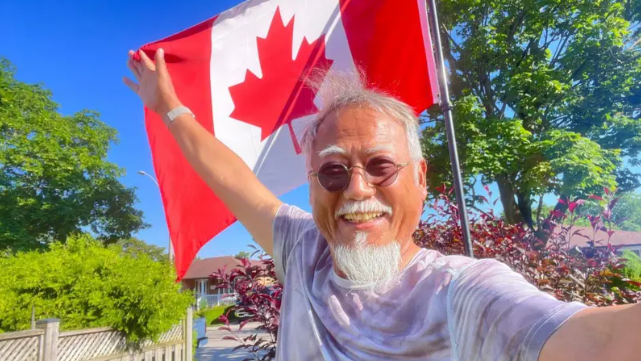
He later received political asylum in Canada and reunited with his wife and daughter in Toronto, where the family had been living since 2015. In an interview with BBC Chinese, Dong spoke about the impossibility of survival in China, saying, “If I didn’t leave, I will never be at peace for the rest of my life. They cannot stop me, they cannot control me.”
Dong’s history of defiance is long‑standing. After signing a petition commemorating the Tiananmen crackdown in 1999, he was fired from his police post. He has faced imprisonment in 2001, 2014 and 2020, and was deported multiple times from Thailand, Taiwan and Vietnam, each time only deepening his resolve.
The Chinese Ministry of Foreign Affairs contested the narrative, stating that citizens must observe the Constitution and its laws. However, for Dong, these laws represented an existential threat; escape was the only path to freedom.
His story is part of a larger pattern, with other Chinese dissidents taking extreme risks to flee by sea—most recently a jet‑skier who escaped to South Korea and later the United States.
Dong celebrated his mother’s 95th birthday just days before departure, a moment he regrets not sharing, but he prioritised the safety of his family and future for his fellow activists.