
In brief
A recent Israeli airstrike on Nasser Hospital in Khan Younis, Gaza, which killed 22 people including five journalists, has raised serious questions about military operations and targeting protocols. Evidence brought to light suggests the Israeli military may have acted on flawed intelligence. Witness accounts also suggest a second strike aimed at rescuers—a tactic known as a double-tap—potentially classifying it as a war crime. Calls for accountability grow as assessments indicate that journalists, including AP freelancer Mariam Dagga, were wrongly targeted.
TEL AVIV, Israel (AP)— An Israeli strike on a Gaza Strip hospital resulting in 22 fatalities, including journalists, has triggered intense scrutiny over Israel's actions during the ongoing conflict. Among the dead was Mariam Dagga, a freelance journalist actively covering the situation in Gaza.
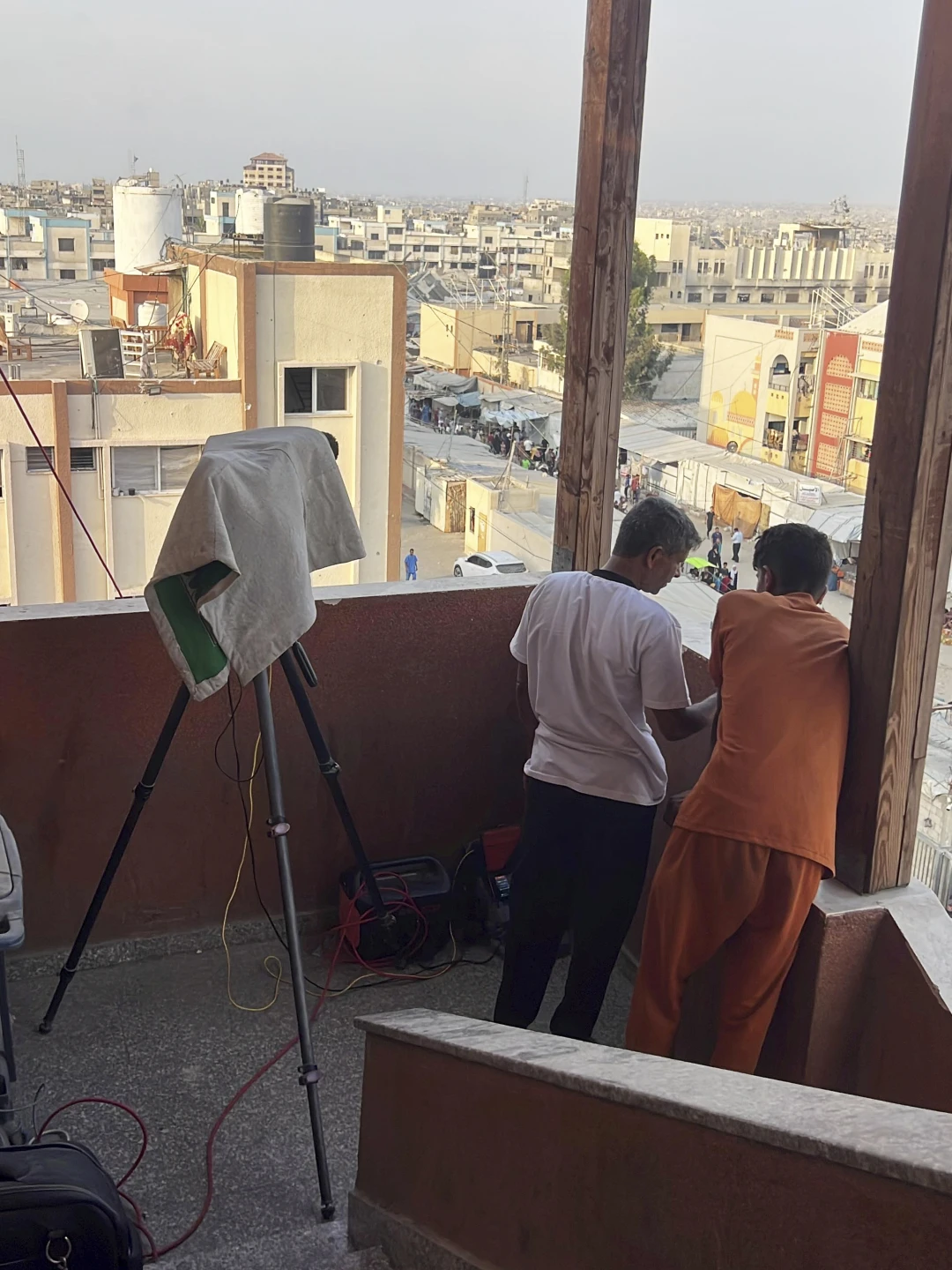
The strike, which was reportedly targeted at a journalists’ gathering point, was justified by a military official citing concerns that a camera was being used by Hamas to monitor Israeli forces. However, subsequent evidence indicated that the camera belonged to Reuters videographer Hussam al-Masri, who had been covering news from the rooftop of the hospital.
Witness testimonials reveal that the location was regularly surveilled by drone, allowing ample opportunity for proper identification prior to the strike. The first attack led to a further strike shortly after, when first responders and journalists, including Dagga, arrived to assist the wounded, raising accusations of a potential double-tap strike—an act seen as a war crime.
The use of high-explosive tank shells in lieu of more precise guided munitions has sparked further debate regarding Israel's adherence to international warfare standards. Reports suggest that Israeli vehicles were operating just 4.5 kilometers away from the hospital during the attack, purportedly as part of the Golani Brigade, which has been previously linked to other controversial engagements, including a deadly attack on an ambulance convoy.
Despite international outcry, including statements from the Committee to Protect Journalists emphasizing the protection of civilian reporters, the Israeli military has not provided adequate justification for the strikes. Both experts and humanitarian groups are calling for urgent investigations into the incident.
The situation remains complex and fluid as both local and international entities seek clarity on the events that transpired during the August 25 attack, questioning the validity of Israeli claims regarding so-called militants present among the casualties.

