In brief
The unregulated "galamsey" mining practices are leading to significant ecological degradation, raising alarms from environmentalists and local communities alike.
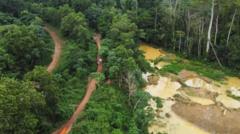
Ghana is experiencing an alarming surge in illegal gold mining, known locally as "galamsey," which is resulting in widespread environmental degradation and severe water pollution. The Pram Rive, once a lifeline for local communities, has now become a disturbing testament to the extensive damage caused by this uncontrolled rush for gold. An artist known as Enil Art utilized the polluted water from the river to create impactful art, shedding light on the ecological disaster unfolding across the nation.The use of mercury in gold extraction has intensified, as miners exploit forests and farmland to extract precious metals. WaterAid has labeled this crisis an "ecocide," underlining the drastic implications for local communities and the ecosystem. Local artist Israel Derrick Apeti’s initiative reflects the sentiments of many residents who witnessed the river transform from a once-clear body of water teeming with wildlife to a murky, toxic sludge. The repercussions of illegal mining extend beyond water contamination; protests in Accra have erupted as citizens demand government intervention. These demonstrations come amidst arrests of protestors, igniting further discontent among Ghanaians.Musicians have rallied to support this environmental campaign, using their platforms to raise awareness about the troubling impacts of galamsey mining. This modern iteration of illegal mining has evolved from traditional methods involving small-scale miners to organized, large-scale operations largely influenced by foreign investments, especially from China. Local politicians and businesses are reportedly complicit, as forests and cocoa farms are converted into mining sites, significantly degrading the land.The government acknowledges the challenges posed by illegal mining, as extensive areas have been devastated, particularly in prime cocoa-producing regions. Agricultural production has also taken a hit, as significant farmland has been lost, keeping farmers in a precarious position regarding irrigation and crop yield. Experts warn about the long-term implications of mercury contamination, which can persist in the ecosystem for centuries, thus poisoning not just water, but potentially crops and fish too.In light of rising global gold prices, the gold rush is compounded by growing economic struggles, leading many residents to turn to illegal mining for sustenance. The situation remains delicate, and while President Nana Akufo-Addo has expressed intentions to curb such practices, the political ramifications are complex, as many of his supporters are implicated in galamsey operations. Despite government assurances, the narrative of galamsey's ecological and social impacts continues to unfold across Ghana, prompting immediate calls for action from environmental groups and concerned citizens alike. It remains to be seen whether significant change can occur before the irreversible damage to Ghana's ecology deteriorates further.