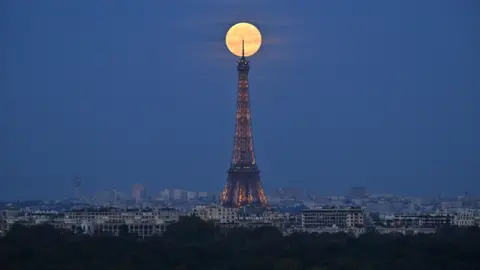
CAPE CANAVERAL, Fla. — The year 2026 promises to deliver a spectacular array of celestial events, capturing the attention of astronomy enthusiasts and curious observers alike. At the forefront is the moon, ready to welcome the return of astronauts, alongside a line-up of robotic craft. The year begins with a supermoon on January 3, with an additional blue moon scheduled for May.
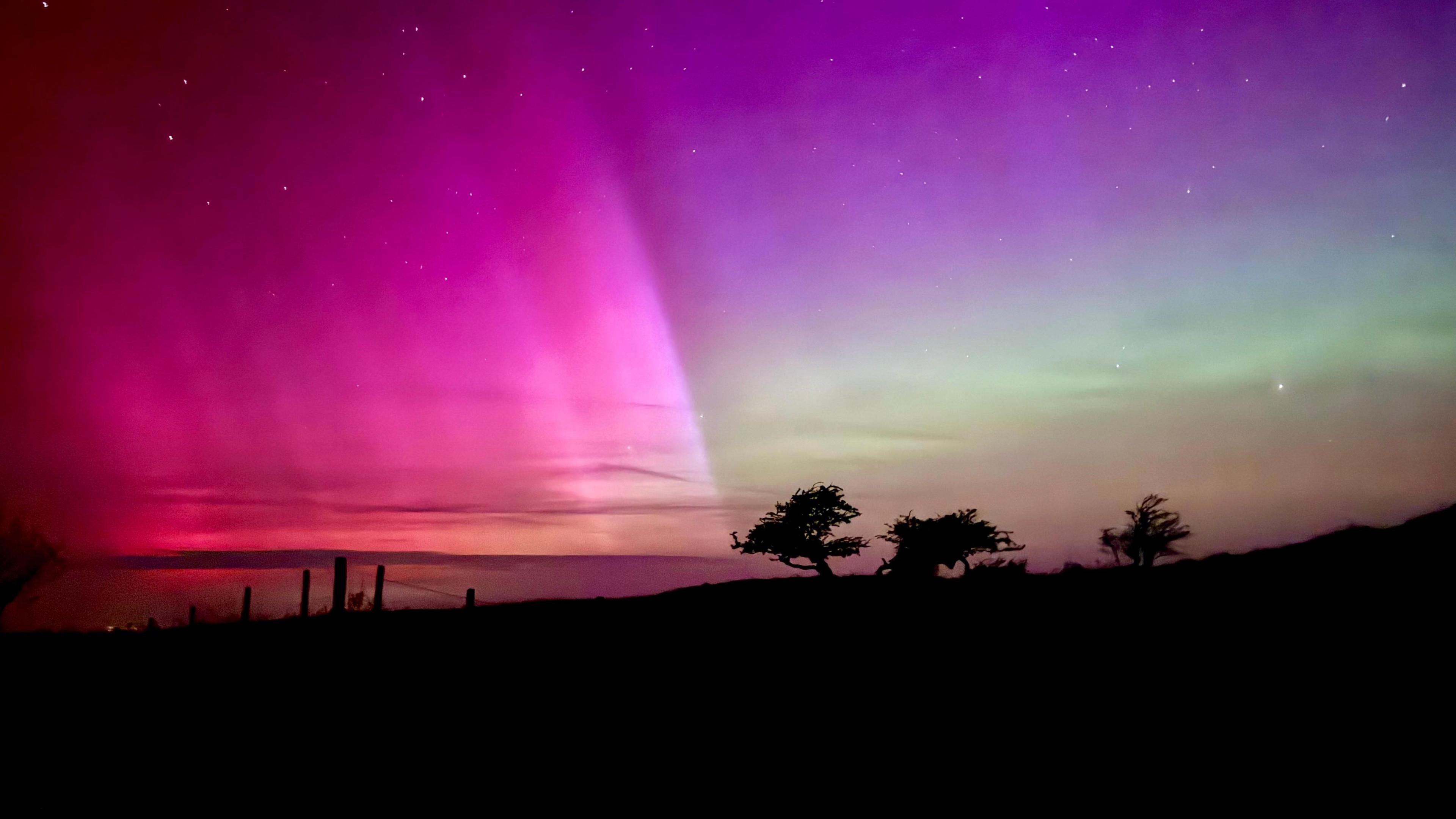
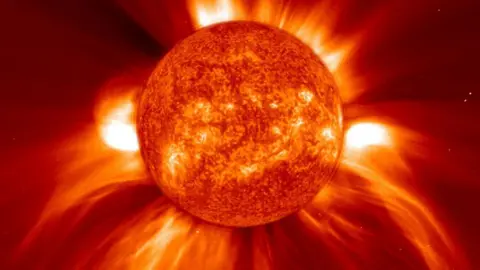
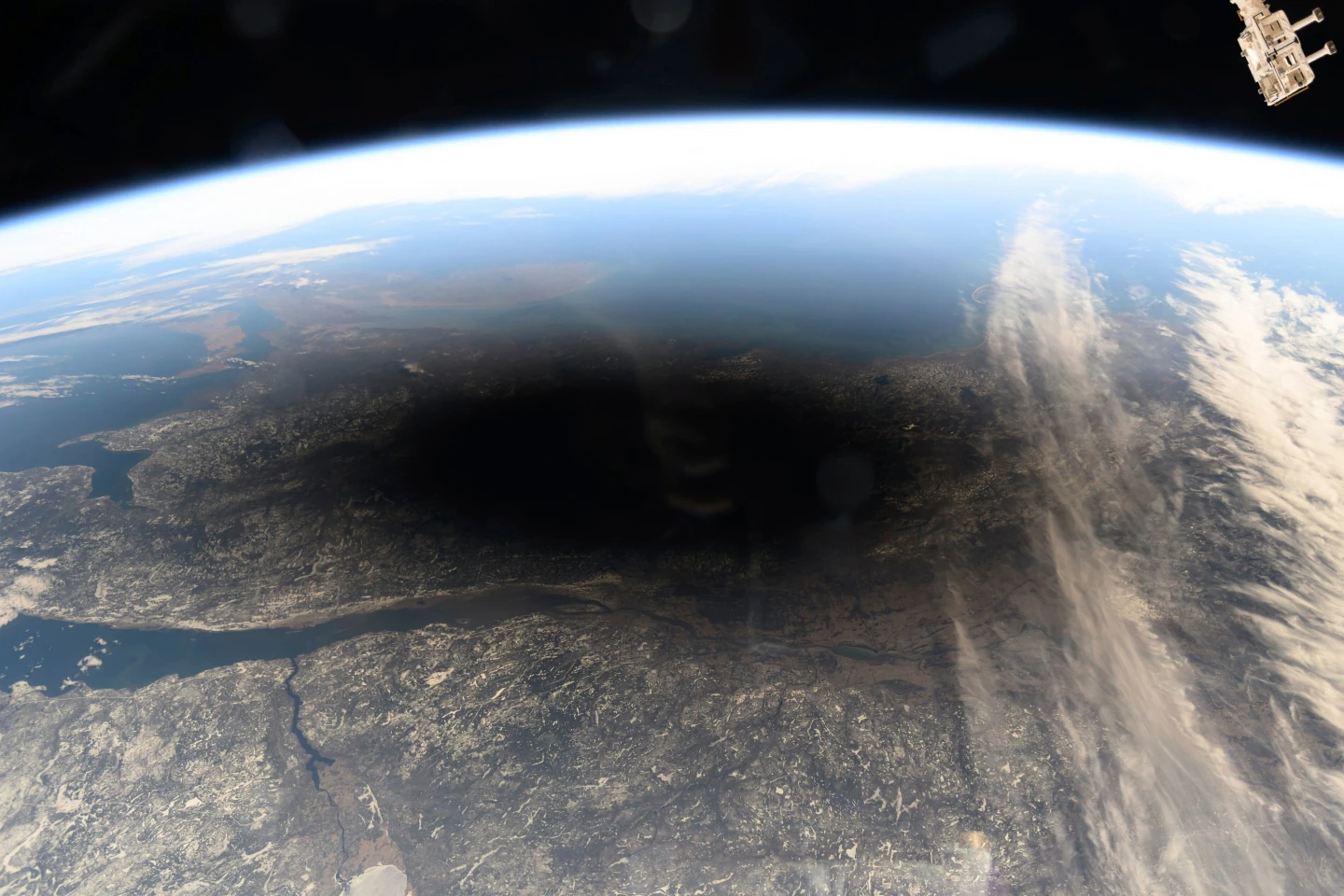
The sun will be a crucial player too, featuring a ring-of-fire eclipse in February and a breathtaking total solar eclipse in August, crossing over major locations including Greenland and Spain. Solar activity is set to spark increased auroras in unusual locations, albeit not as frequently as in recent years.
This follows last December's visit from interstellar comet 3I/Atlas, which is now fading but will soon make way for Jupiter as its next stop in the solar system. NASA's Paul Chodas highlights the importance of improving technology in tracking interstellar visitors, hinting at more potential discoveries ahead.
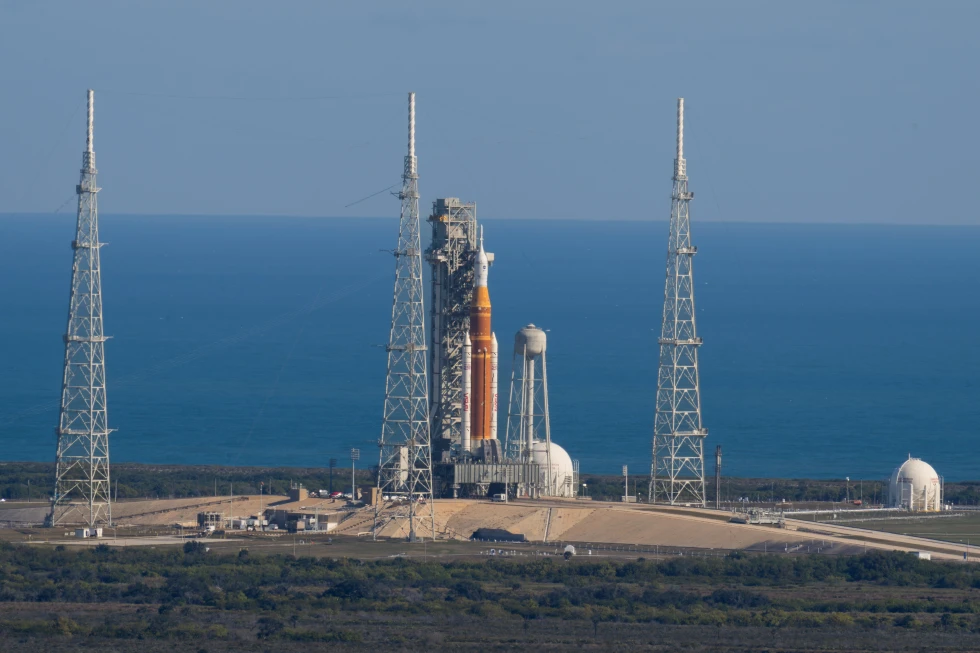
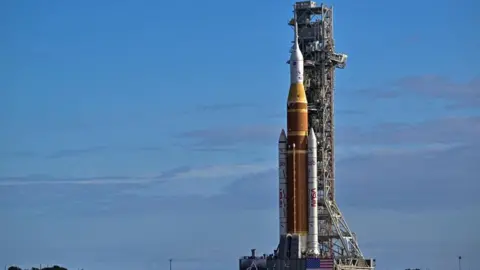
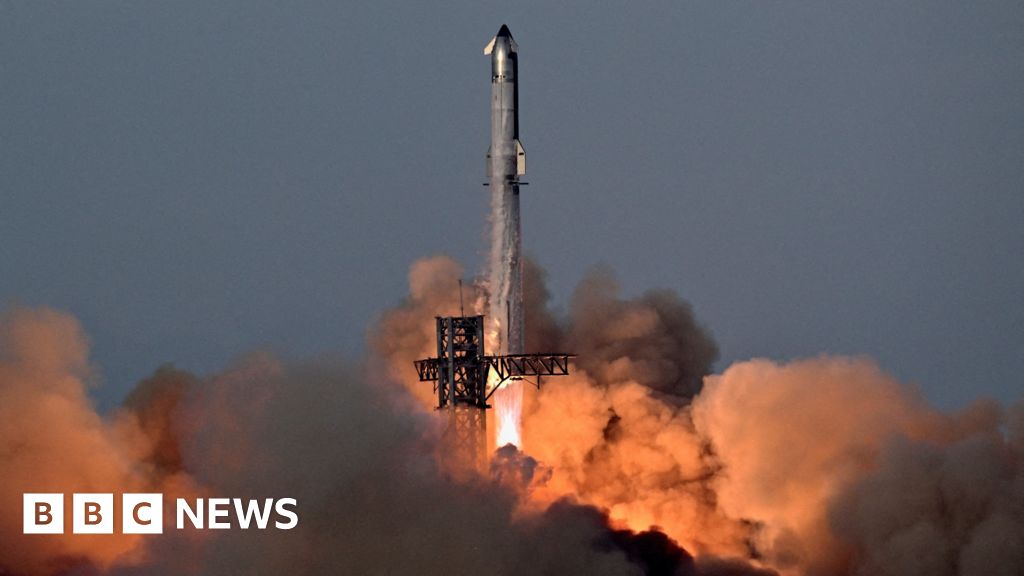
2026 will also see the anticipated NASA Artemis moon mission, wherein astronauts will explore parts of the lunar far side previously unknown to human eyes. The mission will include high-tech robotic landings, and major players like Blue Origin plan to launch prototypes of their lunar lander, Blue Moon.
The solar eclipses also mark exciting points in the year, starting with the ring-of-fire eclipse on February 17, leading up to the total eclipse in August, which will be a significant visual spectacle as the moon obscures the sun for over two minutes.
In addition to these events, a parade of planets will be visible in February, and three supermoons will grace the night sky throughout the year, a result of the moon's orbit bringing it unusually close to Earth.
With solar eruptions leading to possible geomagnetic storms, expect more vibrant auroras on both hemispheres. NOAA's Rob Steenburgh anticipates 2026 to be a thrilling year for understanding our sun and its effects on our planet.
As we look ahead, the cosmos has an array of breathtaking displays ready for us in 2026, promising a year filled with wonder and exploration.