
In brief
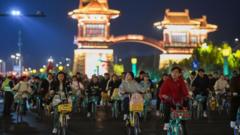
An impulsive social media quest for dumplings led to significant traffic gridlock in central China as tens of thousands of cyclists journeyed from Zhengzhou to Kaifeng, prompting police interventions and economic repercussions.
In a bizarre turn of events, a night cycling spree initiated by Chinese university students turned into an overwhelming experience of gridlocked roads and unmet expectations in central China. What started as a social media challenge dubbed the “Night Ride to Kaifeng,” aimed at seeking out the local delicacy guantangbao, spiraled into chaos as a wave of tens of thousands of cyclists took to the streets, seeking adventure and breakfast.Originally, four enterprising students sparked the trend in June by biking approximately 50 kilometers (30 miles) to Kaifeng, where they were drawn by the promise of delicious dumplings. Their vibrant tale of spontaneity resonated with younger generations feeling the pressure of a stagnant job market and prevailing burnout; their quest became a popular social media phenomenon, endorsed by local government and media outlets.As thousands of cyclists hit the nocturnal streets from Zhengzhou to Kaifeng, authorities quickly sensed trouble when a six-lane expressway became overwhelmed with bicycles. Attempts to manage the situation were made through police announcements, urging cyclists to disperse, as rental bike services threatened to lock down bikes not returned to their original city. Despite last-minute preparations which included special events and discounts for students, officials were soon faced with a traffic nightmare that escalated as the night wore on.Witnesses reported standing traffic on main routes that typically take a nominal time to traverse; one individual recounted a trip that extended from a usual one hour to three. Among the burgeoning crowd of cyclists were individuals like 27-year-old Ms. Li, who embraced the call for youthful adventure but soon found the environment altered from excitement to congestion.With the influx, many participants expressed regret over their decision to join the ride. Social media posts flooded in, likening the scene to a festival gone awry—particularly for riders who faced challenges finding transportation back and accommodation in Kaifeng, leading some to bemoan the shift from exhilaration to discomfort. To manage the situation, leading bike-share companies urged students to opt for public transport moving forward. Their combined response included instating fees for long-distance biking, further solidifying safety measures. As the realities of the situation settled in, authorities proceeded to implement road closures and limit public gatherings, citing concerns over maintaining order.Despite the setbacks, commentators like Ms. Li remained optimistic about the youthful spirit of such events, arguing that the search for joy is a natural response to the pressures young Chinese face today. "Happiness is infectious," she asserted, cementing the idea that the quest for memorable experiences, even when fraught with chaos, continues to attract the attention of China's restless youth.

