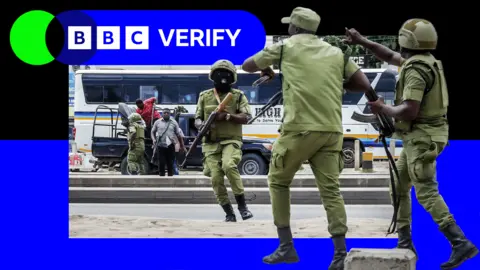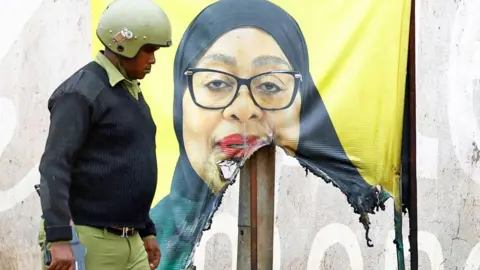
Tanzania's political landscape is facing drastic upheaval as the Independent National Elections Commission (INEC) has officially barred the main opposition party Chadema from participating in the forthcoming elections. The decision comes shortly after Tundu Lissu, Chadema’s leader and former presidential candidate, was charged with treason during a protest rally calling for electoral reforms in southern Tanzania. According to Ramadhani Kailima, the INEC's director of elections, Chadema failed to sign a mandatory code of conduct document by the specified deadline, resulting in their disqualification not only from the October elections but also from any by-elections until 2030.
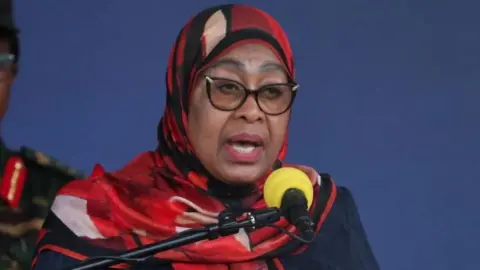
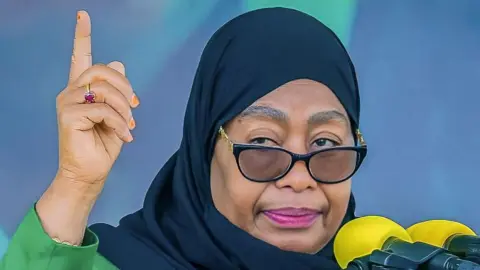
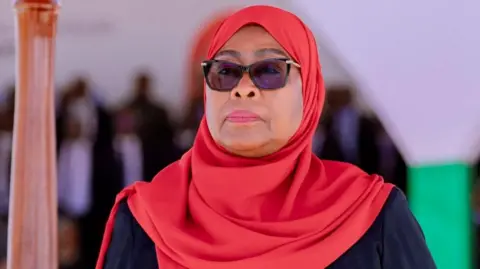
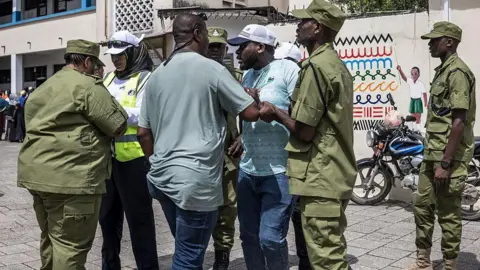
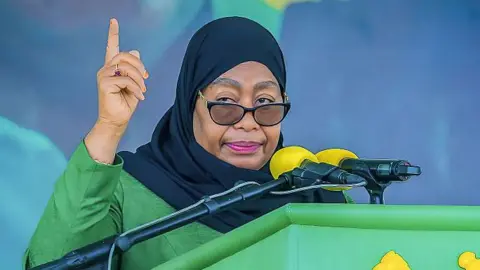
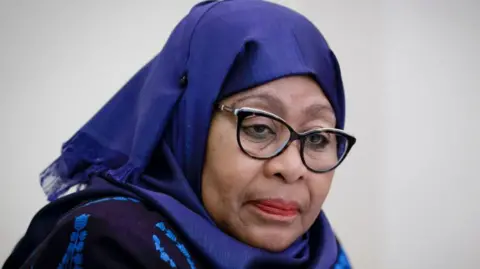
Lissu's recent arrest, accompanied by serious charges, is perceived as part of a wider crackdown on dissent by the ruling party, CCM (Chama Cha Mapinduzi), which has been in power since 1977. The CCM's hold on governance raises concerns among observers, particularly as Lissu had anticipated a tough challenge against incumbent President Samia Suluhu Hassan in the imminent polls. This disqualification effectively strengthens CCM's chances of maintaining control amid accusations from campaigners and opposition figures about escalating governmental oppression.
Earlier in the week, Chadema had announced its refusal to partake in the code of conduct signing ceremony, supporting Lissu's demands for critical voting reforms. Under his campaign slogan "No Reforms, No Election," Lissu has been vocal about the necessity of reshaping the electoral commission to ensure fairness in the electoral process, insisting it should not consist of people directly appointed by the president. Authorities accuse him of inciting rebellion and trying to disrupt the upcoming election, claims his lawyer refutes, describing the treason charges as politically motivated.
Lissu's political history has been fraught with peril, including multiple arrests and a near-fatal assassination attempt in 2017. He has navigated a complex political landscape, briefly returning from exile to contest the 2020 elections, only to withdraw amid allegations of electoral fraud. Returning again in 2023, he expressed hope in the reformative measures enacted by President Samia but now faces renewed challenges with his current legal troubles as the nation approaches a pivotal electoral moment.