In brief
U.S. federal prosecutors have filed new conspiracy‑to‑torture charges against former Venezuelan president Nicolás Maduro and his wife Cilia Flores, in addition to earlier drug and weapons allegations. The indictment claims the couple ordered and profited from systematic abuse of detainees, including U.S. nationals, through violent and psychological methods. Maduro and Flores have been detained since January in Brooklyn and are expected to stand trial in June 2027. While they deny the allegations, U.S. authorities maintain that the evidence demonstrates a regime of intimidation and torture used to maintain power. The case underscores ongoing concerns about human rights violations in Venezuela and the reach of U.S. justice.
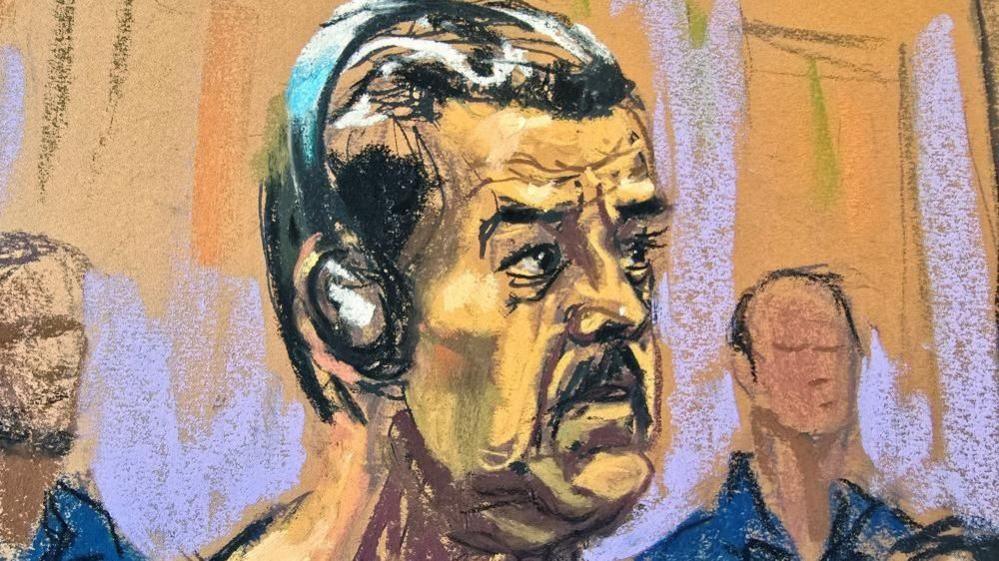
Prosecutors in the United States have accused Venezuela's former leader Nicolás Maduro and his wife, Cilia Flores, of conspiracy to commit torture.
These fresh charges were announced Thursday, adding to the drug‑trafficking and weapons allegations already pending. Maduro, 63, and Flores, 69, have been held in a Brooklyn detention centre since a pre‑dawn raid on their Caracas compound in January.
"He denies the new charges and looks forward to his day in court," said Barry J. Pollack, Maduro’s lawyer.
The indictment describes a regime that combined electric shock, asphyxiation, rape, forced nudity, prolonged isolation, starvation, punishment cells and psychological torture, including threats to kill families. Prosecutors say these tactics were used to keep the Maduro‑Flores couple in power and inflicted harm on American citizens held in Venezuela.
Flores has also been added to the earlier narco‑terrorism charge. A judge rejected her request to be moved to house arrest on Thursday, keeping her in Brooklyn.
According to the charges, Flores played a key role in ordering torture, even monitoring specific prisoners to protect her family’s interests. The allegations echo testimony from former detainees such as Javier Tarazona and Angel Godoy, who described severe violations during Maduro’s rule.
After Maduro’s ouster, Venezuelan vice‑president Delcy Rodríguez took office under a U.N.‑sanctioned amnesty that freed hundreds of political prisoners, yet more than 300 remain in custody, says NGO Foro Penal. The U.N.’s High Commissioner for Human Rights, Volker Türk, has warned that torture may continue in the new regime, a claim the Venezuelan foreign ministry has dismissed.