
In brief
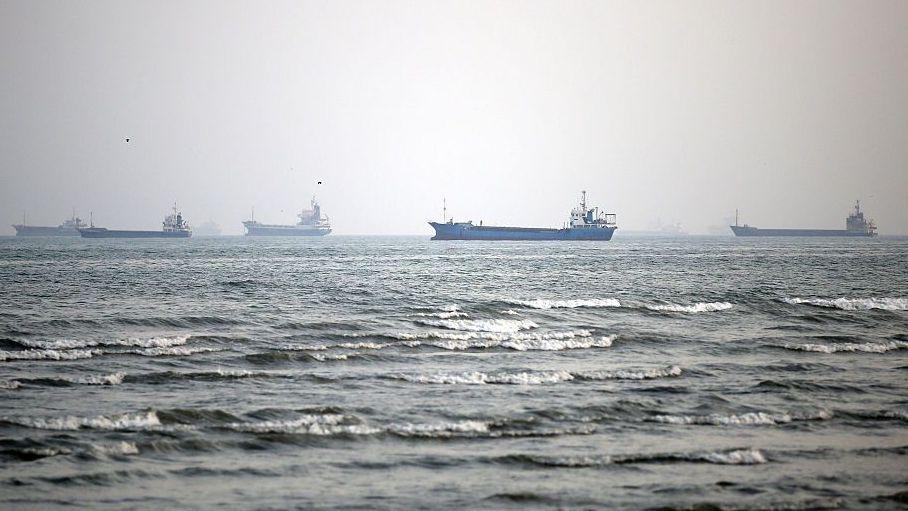
The United Kingdom Maritime Trade Operations agency confirmed that the oil tanker Acers was struck by several projectiles 51 nautical miles north of Madinat al-Shamal, Qatar, on 10 October 2026. The vessel, which was transporting oil and chemicals, sustained damage that resulted in casualties, though the exact number of injuries remains unspecified. This attack adds to a growing list of incidents that have claimed 24 seafarers in 93 confirmed events since the Iran‑U.S. war began in February, and marks the first report of an attack that far west of the Strait of Hormuz since September. Intelligence identified the Acers as carrying cargo as it sailed toward the Strait of Hormuz, a critical waterway for global oil flows. The incident underscores the heightened security risks for commercial shipping in the Gulf region, where U.S. and Iranian forces have been engaged in a cycle of retaliatory strikes against merchant vessels.
UK Maritime Trade Operations (UKMTO) confirmed that on 10 October 2026 a tanker named Acers, flagged Antigua and Barbuda, was struck by multiple projectiles 51 nautical miles north of Madinat al-Shamal, Qatar. The incident caused casualties aboard the vessel, according to the UKMTO, though only the existence of casualties was reported, not a precise count.
Maritime intelligence firm Vanguard identified Acers as an oil and chemical tanker that was carrying cargo as it moved toward the Strait of Hormuz, a vital shipping corridor that connects the Gulf to the Gulf of Oman.
Merchant ships have suffered repeated attacks in the area since the escalation of the Iran‑U.S. war in February. The International Maritime Organization (IMO) records 24 seafarers killed across 93 confirmed incidents. The latest casualty event occurred on 9 September, when two sailors were killed aboard the Panama‑flagged tanker El Gaia in the Strait of Hormuz, just north of Oman’s Musandam peninsula.
For the first time since that September incident, an attack was recorded further west of the Strait of Hormuz, according to Martin Kelly, head of advisory at EOS Risk Group.
Vanguard also reported a fire aboard another tanker, likely the Marshall Islands‑flagged Dhalkut, in the Gulf of Oman on Thursday, 40km east of Fujairah, UAE. The cause of this fire remains unclear and UKMTO had not reported it in the region at the time.
The Strait of Hormuz, through which roughly one‑fifth of global oil and gas flows pass, has been effectively closed since the beginning of the conflict, following missile and drone strikes on commercial ships by Tehran and a U.S. naval blockade of Iranian ports. A provisional ceasefire in June failed to hold, as Iranian attacks on shipping resumed and the U.S. reinstated its blockade.
In response, the U.S. military has continued escort operations for tankers traversing the Strait to maintain oil export flows from Gulf Arab states. Recent data from shipping firm Kpler indicate crude exports through the Strait average 12 million barrels per day, about 80% of pre‑war levels.