
In brief
Goodman Group has withdrawn its application for a 90‑megawatt data‑centre, Project Mars, which would have been built 20 metres from homes in Lane Cove, Sydney. The decision follows 374 submissions—only nine supportive—during a consultation, highlighting intense local opposition. The move illustrates growing tension over data‑centre siting amid Australia’s boom in AI infrastructure. NSW’s fast‑track review programme may shape future projects, but this case underscores the need to balance technology growth with community integrity.
Goodman Group, Australia’s largest property company, has withdrawn its application for a 90‑megawatt data‑centre—Project Mars—originally slated to sit less than 20 metres from residential homes in the Lane Cove suburb of Sydney.
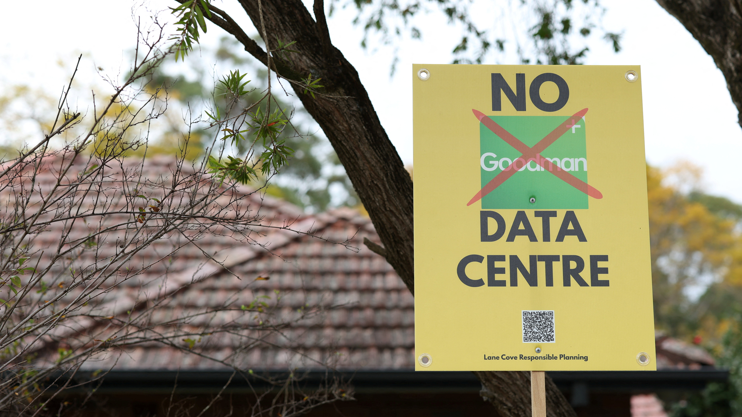
The data‑centre, projected to cost A$1.2 billion (≈$841 million), attracted 374 submissions during a consultation, only nine of which supported the proposal. Local residents and campaigners mounted a vigorous campaign, erecting signs such as “No Goodman Data Centre” outside homes, and ultimately forced the company to reconsider.
Goodman Group’s letter to the New South Wales Department of Planning cited significant changes in the regulatory environment and heavy community opposition as reasons for withdrawing the project. The group highlighted that its extensive technical investigations, stakeholder engagement, and community consultation had led to a decision that the development would no longer proceed.
This decision comes just months after the NSW government announced a fast‑track review programme that would allow data‑centres to be assessed in 75 days if they meet stringent water and energy requirements. The move is seen by local politicians as a “common‑sense win”, a message that future developments must prioritize suitable sites and community wellbeing.
The Lane Cove case reflects a broader national debate. While generative AI has spurred a surge in demand for data‑centres, critics point to the enormous water and electricity consumption and social impacts on nearby communities. As Australia continues to attract global AI investment, the balance between technological progress and local sustainability remains contested.
Further reading: AI data centres are booming in Australia – but at what cost?